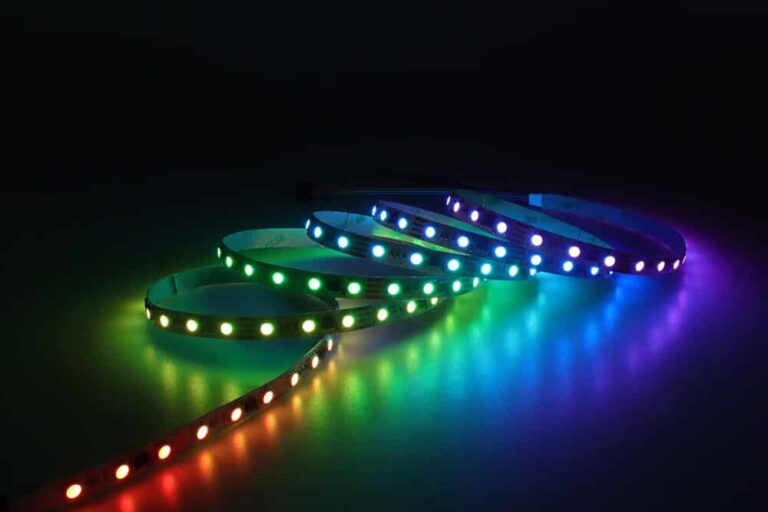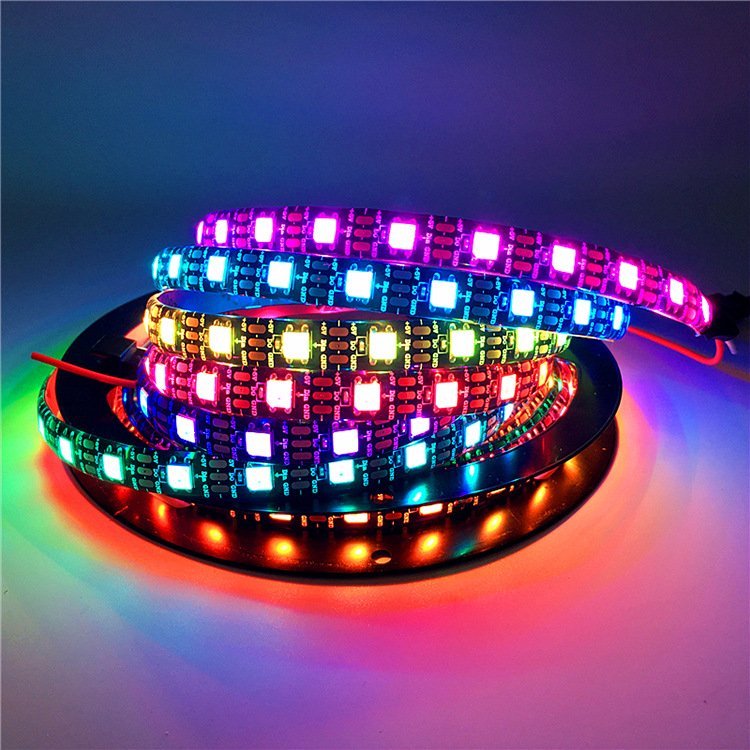
Thinking of installing neon LED strips, but don’t know much about them? No worries, I will mention here every detail about neon LED strips.
Neon LED strips have taken the lighting world by storm, becoming a go-to choice for residential and commercial spaces. Their ability to provide vibrant, eye-catching illumination, energy efficiency, and flexibility has made them a popular option for various applications.
Let’s dive in to learn more–
What Are Neon Strip Lights?
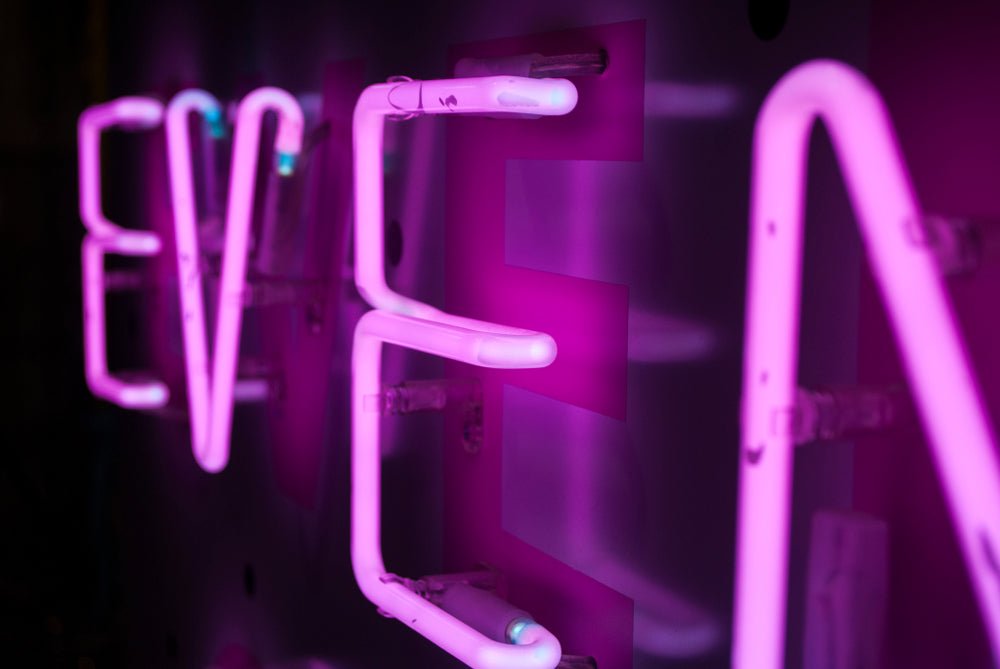
Neon strips, also known as LED neon flex, are bendable LED light strips covered with a neon-style silicone layer. This makes them waterproof and safe for different uses.
They look like traditional neon lights but use LED technology, so they last longer, come in many colors, and can be made in different sizes.
You can find neon strips in different styles and colors. They are great for many lighting projects in homes, buildings, and commercial spaces.
What Sets Neon LED Strips Apart From Standard LED Strips?
These differences lie in their design, performance, flexibility, and overall visual effect, contributing to the growing demand for neon LED strips in residential and commercial settings.
1. Design And Aesthetic Appeal
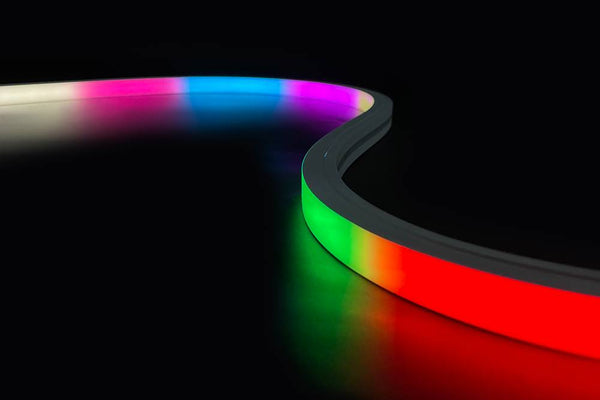
One of the most significant factors distinguishing neon LED strips from standard LED strips is their design and the quality of light they emit.
- Neon LED Strips: These strips feature a continuous, seamless glow, similar to traditional neon lights. Unlike standard LED strips, where individual LEDs are often seen, neon LED strips diffuse the light to produce a smooth, uninterrupted illumination line. This creates a clean, uniform appearance ideal for decorative and accent lighting. The neon effect adds a bold, eye-catching element to any space, making it perfect for signage, outlining architectural features, or creating striking visual displays.
- Standard LED Strips: While still versatile and popular, standard LED strips typically expose the individual diodes, resulting in a more dotted or pixelated look. This type of lighting is excellent for functional use, such as task or indirect lighting, but it lacks the sleek, uninterrupted glow of neon LED strips.
2. Flexibility
Flexibility is another major factor that sets neon LED strips apart from their standard counterparts.
- Neon LED Strips: Designed with a silicone or PVC jacket, neon LED strips are highly flexible and can be bent or shaped to create intricate designs, curves, or outlines. This makes them an excellent choice for projects that require more creative or custom lighting solutions, such as architectural accents, signage, or artistic installations. Their superior bendability allows for greater freedom in design, making them suitable for straight and curved surfaces.
- Standard LED Strips: Standard LED strips are also flexible but not as malleable as neon LED strips. They are better suited for straightforward installations where the lighting must be laid out linearly or slightly curvedly. Attempting to create sharp bends or intricate shapes with standard LED strips can be more challenging and may result in uneven lighting or damage to the strip.
3. Light Diffusion And Quality
The way the light is diffused is another aspect where neon LED strips excel compared to standard LED strips.
- Neon LED Strips: These strips comes with diffusers the light, softening it and eliminating the harsh glare associated with exposed diodes. This diffusion results in a smooth, even glow that is easy on the eyes and aesthetically pleasing. It also creates a more polished, professional look, making neon LED strips ideal for decorative or mood lighting applications.
- Standard LED Strips: Standard LED strips do not typically have a built-in diffuser, meaning the light emitted can sometimes be harsh or direct. While this can be desirable for task lighting or under-cabinet lighting, it may not provide the same soft, even illumination needed for ambient or accent lighting.
4. Durability
Neon LED strips are more durable and protected than standard LED strips, especially in outdoor or high-traffic environments.
- Neon LED Strips: Neon strips are usually encased in a weather-resistant, waterproof material, which protects the LEDs from moisture, dust, and physical damage. This makes them ideal for outdoor installations, including architectural lighting, landscape lighting, or signage that needs to withstand various weather conditions. Their rugged design also makes them suitable for indoor areas that experience high humidity, such as bathrooms or kitchens.
- Standard LED Strips: While some standard LED strips are also available with waterproof coatings, many are not as durable or protected as neon LED strips. Standard strips are more vulnerable to water, dust, and physical wear and tear damage, making them less suitable for outdoor or heavy-duty use unless they come with additional protective features.
5. Installation Versatility
Both neon and standard LED strips offer flexible installation options, but the versatility differs depending on the specific application.
- Neon LED Strips: Thanks to their flexibility and durable construction, neon LED strips are easier to install in unconventional spaces, such as around curves, on uneven surfaces, or in locations that require a continuous line of light. Their superior bendability and adaptability make them ideal for creative designs, intricate signage, or accent lighting in hard-to-reach places.
- Standard LED Strips: While still easy to install, standard LED strips may require additional accessories like diffusers or channels to achieve a uniform look. They are typically more suitable for straightforward installations, such as under-cabinet lighting, shelf lighting, or indirect lighting behind furniture or TV units. However, they may not offer the same versatility when shaping or outlining objects.
6. Applications
The applications for neon and standard LED strips differ based on their strengths and lighting effects.
- Neon LED Strips: With their smooth, neon-like glow and superior flexibility, neon LED strips are commonly used in creative and decorative applications. These include custom signage, artistic installations, architectural accents, and mood lighting in bars, restaurants, and hotels. They are also famous for outdoor lighting for landscapes, building exteriors, and pathways.
- Standard LED Strips: Standard LED strips, on the other hand, are more functional and often used for general lighting purposes, such as under-cabinet lighting, task lighting, and indirect lighting in residential or commercial spaces. While they can be used for accent lighting, they do not provide the same aesthetic appeal or smooth diffusion as neon LED strips.
7. Cost Considerations
Cost is another factor when choosing between neon and standard LED strips.
- Neon LED Strips: Due to their advanced design, durability, and visual appeal, neon LED strips are more expensive than standard ones. However, their longevity, energy efficiency, and ability to provide a unique, modern lighting effect often justify the higher upfront cost, especially in projects where aesthetics and flexibility are top priorities.
- Standard LED Strips: Standard LED strips are generally more affordable and cost-effective for basic lighting needs. They provide good lighting at a lower cost but may not deliver the same visual impact or design flexibility as neon LED strips.
How Neon LED Strips Work?
Neon LED strips combine the latest in LED technology with design features that mimic traditional neon lighting. This way, they become a modern, energy-efficient solution that offers the classic neon glow without the drawbacks of conventional neon tubes. But how do neon LED strips work? Understanding their essential components and functionality can help you maximize this versatile lighting option.
1. LED Technology At The Core
At the heart of neon LED strips are light-emitting diodes (LEDs), solid-state lighting devices that convert electrical energy into visible light. LEDs are known for their energy efficiency, long lifespan, and ability to produce bright light with minimal heat generation. In neon LED strips, these LEDs are spaced closely on a flexible circuit board, allowing them to emit a continuous line of light rather than the pinpointed beams often seen with standard LED strips.
Each LED in the strip is made of a semiconductor material that emits photons when an electrical current passes through it. These photons create visible light, and by varying the material used in the LED, different colors can be produced. This allows neon LED strips to come in various colors, from bright white and warm amber to vibrant hues like red, blue, and green.
2. Flexible Diffusion Material
One critical difference between neon LED strips and traditional LED strips is the addition of a diffusion layer. Typically made from silicone, this layer is placed over the LEDs to soften and evenly distribute the light. Without this diffusion layer, the individual LEDs would be visible, creating a dotted or segmented appearance. The diffuser smooths out the light, making the neon LED strips’ continuous, uniform glow characteristic.
This flexible diffusion material allows the neon LED strip to bend and conform to different shapes and surfaces. Whether you want to create straight lines, sharp angles, or smooth curves, the strip’s flexibility, combined with the diffused light, makes it easy to achieve a professional and polished look in any application.
3. Power Supply
Neon LED strips require a power source, typically a low-voltage DC power supply. The strips are designed to run on either 12V or 24V power, ensuring safety, energy efficiency, and compatibility with various lighting systems.
The circuit board within the strip distributes electricity to each LED, and many neon LED strips come with integrated resistors to regulate the current, ensuring that the LEDs receive the correct amount of power. This helps prevent overheating and ensures the LEDs operate efficiently, contributing to their long lifespan.
The low voltage requirement also makes neon LED strips safer for use in various environments, including homes, businesses, and outdoor installations. Since the strips don’t heat up like traditional neon lights or incandescent bulbs, they are suitable for installation near heat-sensitive materials or in enclosed spaces where safety is a priority.
4. Control Options: Dimming And Color Changing
One of the standout features of modern neon LED strips is their ability to be controlled in various ways, offering a high level of customization. Many neon LED strips come with dimming options, allowing users to adjust the brightness to suit different settings or moods. This can be especially useful in hospitality environments, residential spaces, or decorative applications where different lighting levels are needed throughout the day.
Some neon LED strips offer dimming and color-changing capabilities. These RGB (Red, Green, Blue) or RGBW (Red, Green, Blue, White) LED strips can be controlled using a remote, app, or smart home system to change colors, create dynamic lighting effects, or sync with music or other activities. This versatility makes neon LED strips a popular choice for events, retail displays, and entertainment spaces where lighting can enhance the atmosphere.
5. Weatherproofing For Outdoor Use
Thanks to their weatherproof construction, many neon LED strips are designed for indoor and outdoor use. The silicone or PVC casing not only diffuses the light but also protects the LEDs from moisture, dust, and debris.
Outdoor neon LED strips often have an IP (Ingress Protection) rating indicating their protection level against water and solid particles. For example, strips with an IP65 or IP68 rating can withstand rain, humidity, and even temporary submersion, making them ideal for outdoor signage, landscape lighting, or architectural accents on building exteriors.
6. Customizable
Neon LED strips are also highly customizable in terms of length. They can be cut at specific intervals (typically marked on the strip) without damaging the rest, making it easy to adjust the size for your project. This feature is handy for creating custom lighting installations where precision is critical, such as signage, backlighting, or outlining architectural features.
After cutting, the ends of the strip can be reconnected using compatible connectors or sealed with end caps to maintain the strip’s weatherproofing and electrical integrity. This level of customization makes neon LED strips a flexible and versatile option for projects of all sizes.
7. Energy Efficiency
One significant advantage of neon LED strips over traditional neon lights is their energy efficiency. LEDs consume significantly less power than other types of lighting, including neon tubes, incandescent bulbs, or fluorescent lights. Despite their low power consumption, neon LED strips can produce bright, vivid illumination, which helps reduce energy costs in both residential and commercial settings.
This energy efficiency makes neon LED strips more cost-effective in the long run and makes them an eco-friendly choice. Many homeowners and businesses are switching to LED lighting as part of their sustainability efforts, and neon LED strips offer a modern, stylish way to do so without sacrificing performance or aesthetics.
Common Applications For Neon LED Strips
A closer look at some of the most common uses for neon LED strips–
1. Architectural Accents And Outdoor Lighting
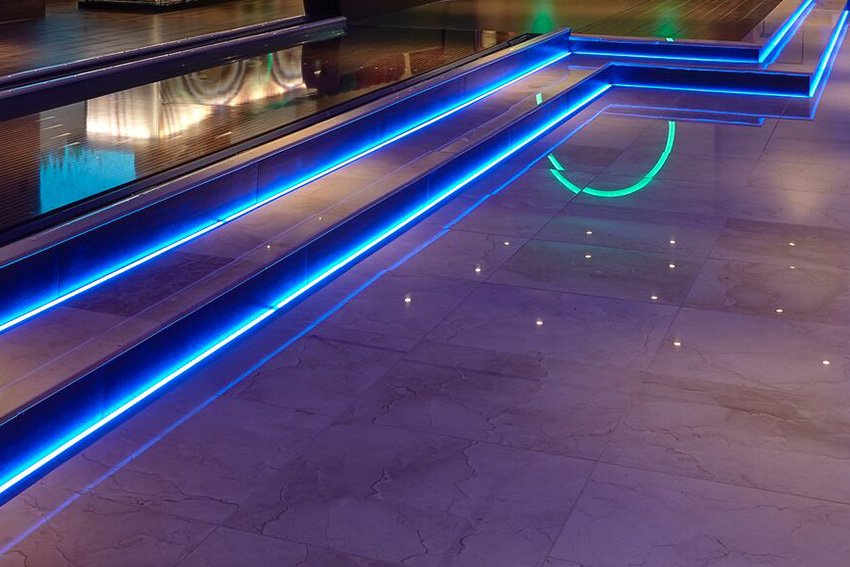
One of the most common applications for neon LED strips is architectural lighting, both indoors and outdoors. Their sleek, seamless glow makes them perfect for highlighting building features such as edges, walls, columns, and overhangs.
- Outdoor Lighting: Neon LED strips are frequently used to outline the edges of buildings, windows, and door frames, creating a stunning visual effect at night. Since many neon LED strips are weatherproof, they’re ideal for outdoor installations where exposure to the elements is a concern.
- Facade Lighting: Neon LED strips can illuminate pathways, arches, and structural designs on building facades, adding depth and dimension to architectural elements.
- Interior Architectural Accents: These strips are often used indoors to accentuate staircases, ceilings, or coves, adding an elegant glow to otherwise plain spaces. Their flexible design allows for creative installations, even on curved or uneven surfaces, making them an excellent choice for contemporary homes and offices.
2. Signage And Commercial Displays
Neon LED strips are widely used in signage and commercial displays because of their bright, customizable lighting and the ability to bend into various shapes and letters.
- Retail Signage: In retail environments, neon LED strips highlight store names, promotional signs, and window displays, making the business stand out in busy commercial areas. The versatility in color and design allows businesses to create custom signs that reflect their brand’s aesthetic.
- Event Signage: For special events, neon LED strips are perfect for temporary signage that needs to make a significant impact. They can be shaped into letters, logos, and artistic designs, providing a modern alternative to traditional neon signs without the fragility or high energy consumption.
- Business Logos: Many companies use neon LED strips to create illuminated versions of their logos, installing them on the exterior of their buildings or inside lobbies and reception areas. The smooth, vibrant light adds professionalism and visibility to any corporate identity.
3. Mood Lighting And Home Decor
Neon LED strips are increasingly popular in residential spaces to enhance home decor. These flexible, easy-to-install strips can create a variety of lighting effects, from subtle accent lighting to bold, colorful statements.
- Living Rooms and Bedrooms: Neon LED strips are often installed along ceilings, behind furniture, or under cabinets to create soft, ambient lighting that enhances a room’s overall mood. Homeowners can choose from various colors, dimmable options, and even color-changing capabilities to personalize their lighting experience.
- Backlighting for TVs and Displays: Another popular application is using neon LED strips as backlighting for televisions or computer monitors. This adds a modern, sleek look to entertainment centers while reducing eye strain by providing a soft glow around the screen.
- Decorative Lighting: Neon LED strips can be shaped and installed creatively on walls or ceilings as decorative art pieces. Whether installed behind mirrors, artwork, or bookshelves, they provide a unique lighting solution that seamlessly blends function and style.
4. Cove Lighting And Indirect Illumination
Cove lighting is one of interior design’s most popular uses of neon LED strips. Installed in recessed spaces such as ceilings, crown moldings, or under cabinets, neon LED strips create indirect lighting that adds a sophisticated glow without harsh glare.

- Ambient Lighting: In cove installations, neon LED strips provide soft, even light that enhances the ambiance of a room without overwhelming the space. This application is prevalent in living rooms, dining areas, and bedrooms, where a cozy atmosphere is desired.
- Accent Lighting: Neon LED strips can also be used for accent lighting, drawing attention to specific architectural features or artwork. Whether illuminating a statement wall, highlighting a feature ceiling, or outlining cabinetry, the continuous, diffused light of neon LED strips enhances the aesthetics of any room.
5. Automotive Lighting
In the automotive industry, neon LED strips are increasingly used to add style and functionality to vehicles. Thanks to their flexibility, durability, and waterproof features, neon LED strips can be installed inside and outside vehicles for various lighting effects.
- Exterior Vehicle Lighting: Neon LED strips are often used for under-car lighting, creating a glowing effect beneath the vehicle. This is a popular choice among car enthusiasts who want to give their vehicles a unique and futuristic appearance. The strips’ waterproof and flexible design makes them perfect for this application.
- Interior Vehicle Lighting: Inside cars, neon LED strips can be installed along the dashboard, footwells, or doors, adding a sleek, modern look to the vehicle’s interior. Many drivers use color-changing LED strips to personalize their vehicle’s lighting and match their mood or style.
6. Entertainment Lighting
Neon LED strips are a go-to solution for event lighting and entertainment venues. They offer vibrant, customizable lighting that can set the tone for any occasion. Their flexibility and variety of color options make them excellent for creating dynamic and immersive lighting effects.
- Concerts and Shows: Neon LED strips are often used in concert venues and theaters to create dramatic lighting effects that enhance performances. The strips can be programmed to change colors or pulse in time with the music, creating a captivating visual experience for the audience.
- Parties and Weddings: For events like parties, weddings, and corporate functions, neon LED strips can illuminate dance floors, stage backdrops, or event decor. Their versatility makes them perfect for creating unique lighting designs that match the event’s theme.
7. Landscape And Garden Lighting
Neon LED strips are frequently used in landscape lighting to enhance outdoor spaces. Their weather-resistant properties make them a durable and effective solution for illuminating gardens, pathways, and outdoor structures.

- Pathway Lighting: Homeowners can create a safe and visually appealing outdoor environment by installing neon LED strips along walkways and garden paths. The strips’ continuous glow provides both functional lighting and aesthetic value, making them perfect for evening gatherings or simply highlighting landscaping features.
- Pool and Patio Lighting: Neon LED strips can also be installed around pools, decks, and patios to create a relaxing, resort-like atmosphere. With their waterproof construction, neon LED strips offer a safe and stylish way to illuminate outdoor living spaces while adding a touch of elegance.
Installation Tips For Neon LED Strips
Whether enhancing a room’s aesthetic with accent lighting or installing outdoor lighting, here are some essential tips to help you get the best results from your neon LED strips.
1. Plan Your Installation In Advance
Before you begin the installation process, it is essential to plan everything out carefully. Knowing exactly where and how you want to install your neon LED strips will save time and prevent errors.
Start by measuring the length of the area where you intend to install the neon LED strips. This will help you determine how many strips you need and whether any cuts are required. Most neon LED strips are cuttable at specific intervals, so understanding your space ensures you cut at the right points.
Besides, make sure the location of your neon LED strip is within reach of a power source. Plan the path for the wiring and consider the placement of the power adapter, especially if the strip will be installed far from an electrical outlet.
If you want a clean, seamless look, ensure the strip and any connectors or power supplies will be hidden from view, or use diffusers and channels for a more polished finish.
2. Prepare The Surface For Installation
Neon LED strips adhere best to dry surfaces. Wipe the area with a damp cloth or mild cleaner to remove dust, dirt, and oils. This will ensure that the adhesive backing on the strips sticks appropriately and prevents the strips from peeling off over time.
LED strips can be applied to various surfaces, including wood, metal, glass, and drywall. However, use mounting clips or channels to secure the strip if the surface is rough or uneven.
After cleaning, allow the surface to dry completely before installing the strip. A dry, dust-free surface will provide the best adhesion for the LED strips.
3. Cut Neon LED Strips Correctly
These strips have designated cutting points, usually marked with small scissors icons or lines. Only cut the strip at these points to avoid damaging the electrical circuit. Cutting between these marks can render sections of the strip unusable.
Use sharp scissors or wire cutters to ensure a clean, precise cut. A straight, neat cut will make it easier to reattach connectors or cap the end of the strip.
If you cut the strip, mainly if it will be used outdoors, it’s important to properly seal the ends to protect the exposed circuitry from moisture and dust. You can seal the cut ends using silicone end caps and waterproof adhesive.
4. Secure The Neon LED Strip In Place

The most straightforward way to install neon LED strips is by using their peel-and-stick adhesive backing. Gently peel off the adhesive liner and press the strip firmly into place, ensuring no bubbles or loose sections. Apply the strip evenly for best results, pressing down along the entire length.
The adhesive backing may not be enough, especially for long or curved installations. Using mounting clips or aluminum channels provides additional support. Mounting clips are handy for outdoor installations or areas where the strip might be exposed to moisture or movement. Channels also help give the strip a clean, professional appearance and protect the LEDs from dust and damage.
While neon LED strips are flexible, they should not be bent at sharp angles or twisted, as this can damage the strip and affect the light distribution. If you need to go around a corner or make a sharp turn, use corner connectors designed for neon LED strips to ensure smooth, uninterrupted light flow.
5. Connect And Power The Strip Correctly
They require a low-voltage power supply, typically 12V or 24V, depending on the strip type. Ensure that you’re using a power adapter compatible with the voltage and wattage of your strip. If the power supply is underpowered, the strip may not function properly, and overloading it could cause damage or safety hazards.
To determine the power requirements, check the total wattage of your LED strip (calculated by multiplying the wattage per meter by the total length of the strip). Ensure the power adapter provides more wattage than the strip requires to avoid overloading the system.
6. Test The Strip Before Final Installation
Now, connect the neon LED strip to its power source and turn it on to verify that all sections are lighting evenly. Testing before installation allows you to fix any issues before securing the strip.
If you’re using an RGB neon LED strip, cycle through the different color settings to ensure each color works correctly and the controller responds appropriately. Testing will help you confirm that the lighting is functioning as expected.
7. Consider Using Controllers For Advanced Features
If you want more control over your neon LED strips, consider installing LED controllers or dimmers to manage brightness, color, or effects.
A dimmer allows you to adjust the strip’s brightness according to your preference or the ambiance you’re trying to create. This can be especially useful in residential settings where mood lighting is desired.
A controller is essential for customizing the colors and effects of color-changing RGB strips. Many controllers offer remote access, app control, or even voice control via smart home systems, giving you complete flexibility over your lighting setup.
For advanced applications, you can sync your neon LED strips with music or set timers for automatic lighting. This is ideal for entertainment spaces, events, or outdoor lighting systems that need to be automated.
9. Outdoor Installation Tips
For this, you have to make sure you choose waterproof neon LED strips with an appropriate IP rating (IP65 or IP67) to withstand moisture, dust, and weather conditions.
Use waterproof connectors and ensure all connections are properly sealed with silicone to prevent moisture from entering the electrical components.
Outdoor installations are exposed to wind and weather, so secure the strips with mounting clips to ensure they remain in place over time.
Conclusion
Neon LED strips offer a versatile and modern solution to elevate the style of any space, whether it’s your home, business, or outdoor area. With their sleek design, flexibility, and vibrant light output, they can highlight architectural features, create mood lighting, or add a creative touch to signage.
For reliable, high-quality neon LED strips that add style and sophistication, explore the extensive collection available at Mylikeled and take your lighting game to the next level. Contact us today!
FAQs
What are the benefits of using neon LED strips?
The main benefits of using neon LED strips are energy efficiency, durability, flexibility, and safety. They also come in many colors and are easy to shape into different designs.
Can I install a neon LED strip by myself?
Yes, you can install a neon LED strip by yourself. Most strips are designed for DIY installation with simple tools like adhesive tape, clips, or channels for mounting.
Are neon LED strips waterproof?
Many neon LED strips are waterproof, but it depends on the specific product. Always check the IP rating if you need them for outdoor or wet environments.
Where can I use neon LED strips?
You can use neon LED strips in homes, businesses, events, and outdoor areas. They’re popular for accent lighting, signage, room decor, and creating custom designs.
How long do neon LED strips last?
Neon LED strips typically last between 30,000 to 50,000 hours. Their long lifespan depends on the quality of the strip and how well they are maintained.
Are neon strips dimmable?
Yes, neon strips are dimmable, allowing users to adjust the brightness level to their preferences.
How do you join LED Neon Flex?
LED Neon Flex can be connected using solderless connectors, or you can solder the wires directly to the strip. Both methods ensure secure connections.

Hi, I’m Xylia Xiong, a sales professional with 14 years of experience in the LED strip light industry. I specialize in providing tailored solutions, leveraging my expertise in LED products and the latest industry trends. Known for effective communication and problem-solving, I’m dedicated to helping lighting manufacturers, importers, and distributors achieve their goals.
Let’s work together to create customized solutions that exceed expectations.