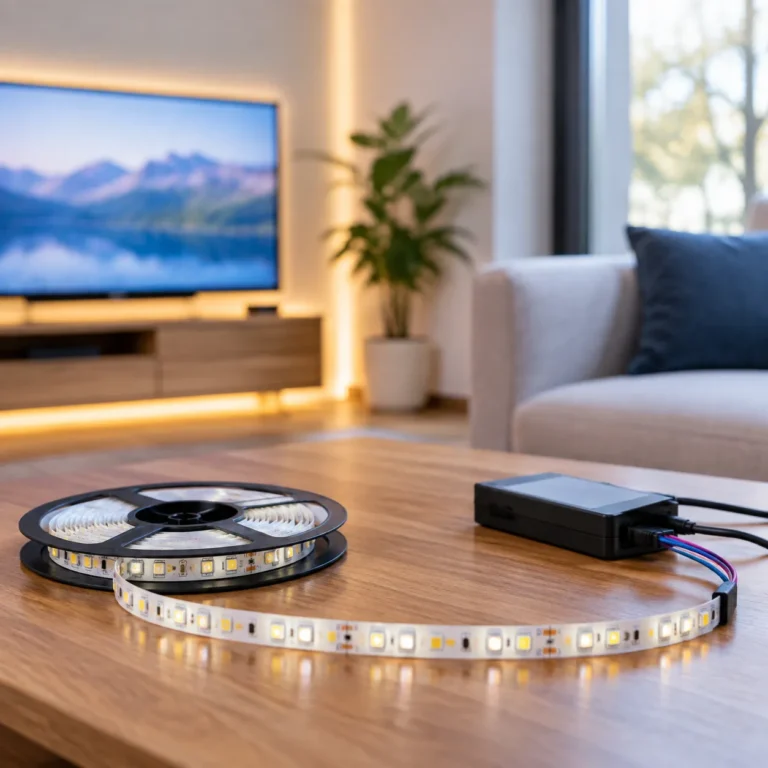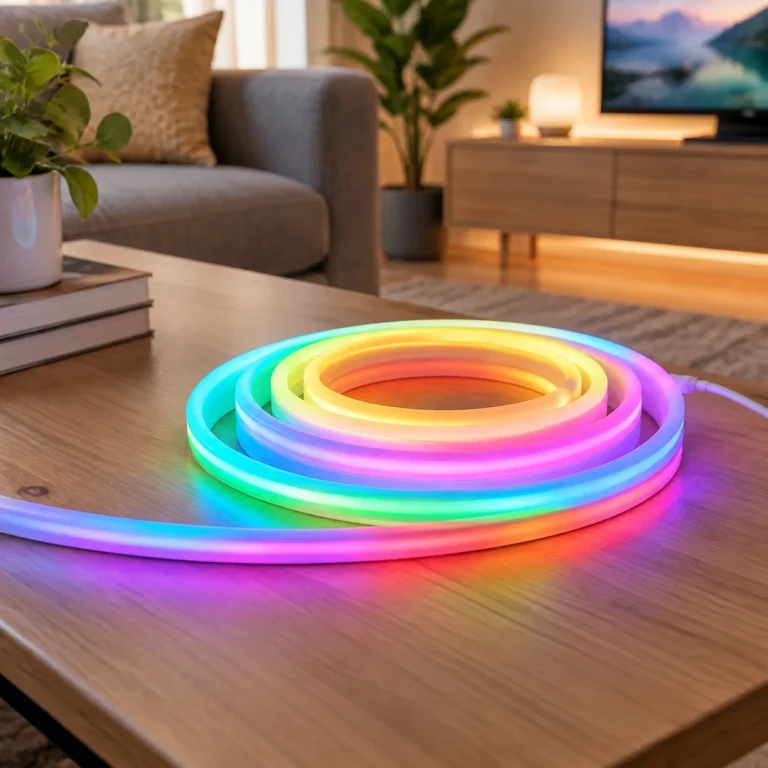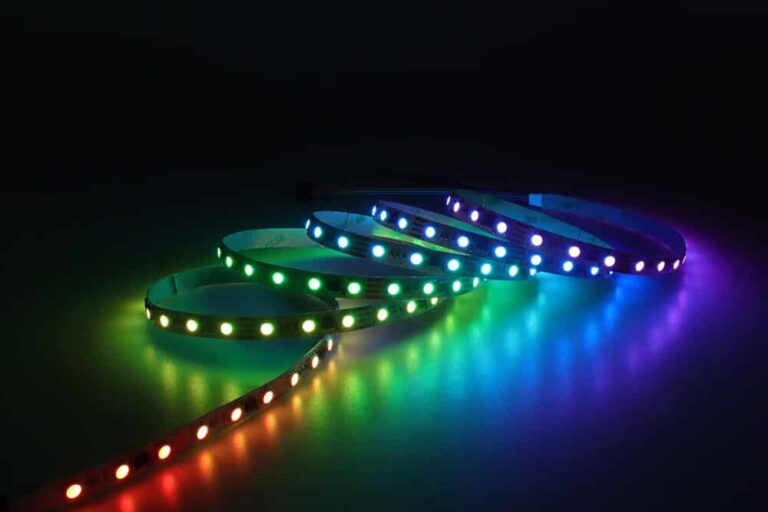
Lighting is instrumental in shaping the ambience of a space. Beyond its practicality, it accentuates the beauty and sets the atmosphere. Various lighting methods serve distinct purposes, from practical use to mood setting. Among these techniques is Facade Lighting, the focal point of our discussion. Let’s delve into it.
There’s a silent revolution happening in our cities as night falls, where the ordinary becomes extraordinary, and buildings come alive in a mesmerizing dance of lights. This enchantment is none other than façade lighting, an art and science that outfits structures in their best nocturnal attire. It’s more than just illumination; it’s about storytelling, brand identity, and creating memorable urban landscapes. In this article, we’re about to embark on a luminous journey through the world of exterior lighting design, exploring its transformative power and the nuances that make it a game-changer in architectural design. Join us, and let’s shine a light on the magic of façade lighting.
What is Facade Lighting?
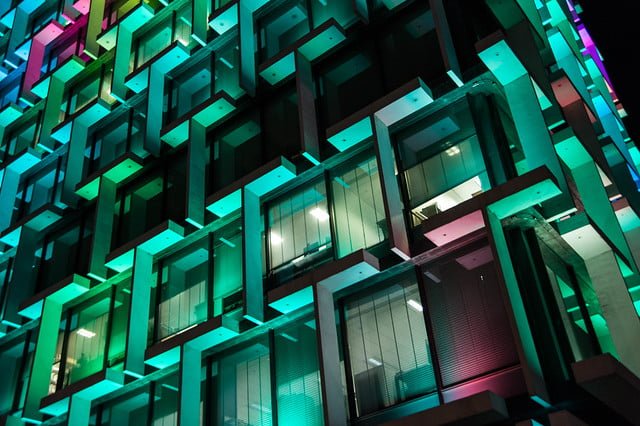
Facade Lighting accentuates a building’s exterior. The term ‘facade’ refers to the front-facing exterior of a structure. This lighting method emphasizes a property’s exterior and provides functional and visual benefits. The initial impression a building creates often hinges on its facade lighting. This initial view can be powerful and lasting.
Consider a haunted house. The eerie sensation begins the moment you enter its vicinity. This ambience is set primarily by its facade lighting. If the same place emanated a cheerful exterior, its intent would be lost. Conversely, a residential property with such ominous lighting would seem unwelcoming. The key takeaway? The art of facade lighting requires mastery.
The Significance of Facade Lighting
Illuminating a building’s exterior holds more weight than one might think. It acts as a security layer at night, deterring unwanted visitors. Additionally, facade lights improve the surrounding area’s functionality. In bustling regions, for instance, a well-lit house can aid pedestrians.
For commercial edifices, facade lights can emphasize logos and promotional displays, ensuring the building remains prominent even after sunset. Moreover, such lighting boosts a structure’s aesthetic appeal, crafting a distinctive aura that leaves an indelible mark on visitors and passersby.
Characteristics of Effective Facade Lighting
- Visual Appeal: Lighting can evoke emotions, making locations unforgettable. An emotionally charged memory lingers. Proper facade lighting can lend a touch of exclusivity to a residential setting or even a fine-dining restaurant, potentially enhancing its patronage. Retail spaces, too, can harness facade lighting to magnetize potential customers.
- Functionality: Beyond beautification, Facade Lighting should also serve practical needs. If it fails in aesthetics or utility, it’s not fulfilling its role. Residential facade lighting, for instance, aids in nighttime navigation, while commercial setups leverage it for market prominence. It also acts as a deterrent for potential intruders, adding a security layer.
- Sustainability: An often-overlooked aspect, sustainability is vital for facade lighting. Environmental consideration is paramount because these lights often operate throughout the night. Besides, inefficient lighting could inflate energy expenses. LEDs, in this regard, are a sterling choice. They offer bright illumination with a fraction of the energy consumption of traditional bulbs. Adopting LEDs for facade lighting can thus provide cost savings and an eco-friendly choice.
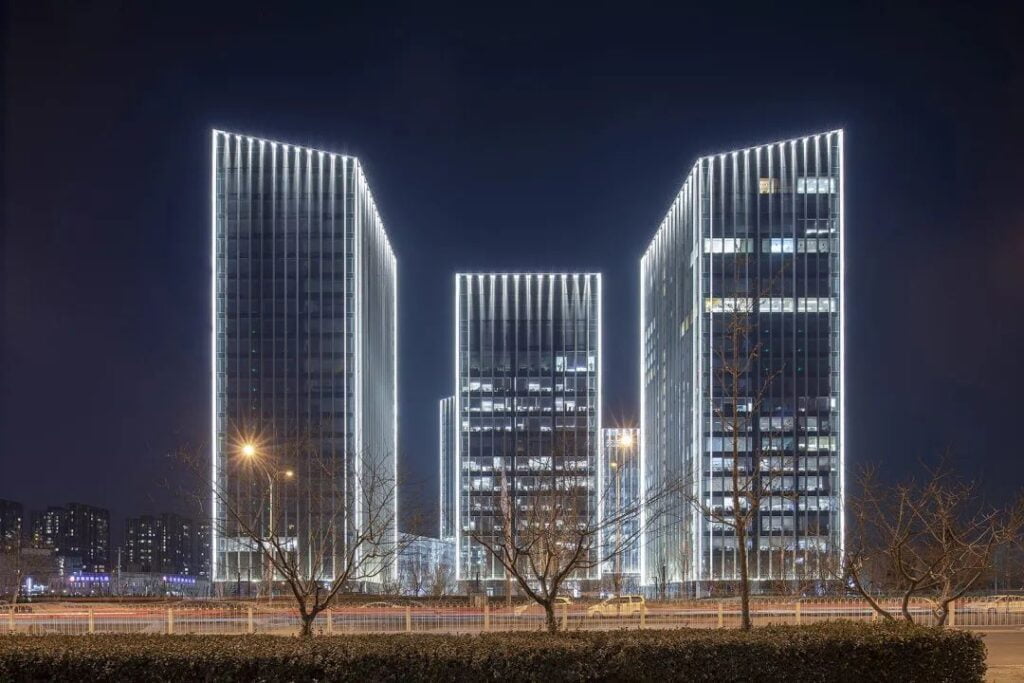
Why Choose LEDs for Facade Lighting?
LEDs are a premier choice for facade lighting for numerous reasons:
- Diversity: LEDs offer unmatched versatility. Their wide variety allows shape, size, and color customization, making facades visually appealing. Bright LEDs, ideal for businesses, can adjust colors, blink patterns, and color temperature with a tap on a device.
- Durability & Cost-efficiency: Facade lights should last, and LEDs should. Though they might be pricier initially, the savings on energy bills quickly offset the upfront cost.
For a deeper dive into this topic, explore the article on the Advantages and Disadvantages of LED Lighting.
Facade Lighting Types
Different buildings and structures have unique lighting requirements. Here are some standard facade lighting techniques:
- Uniform Illumination: Provides consistent brightness across a building’s vertical length. Achievable using floodlights or other fixtures that cast a constant beam, these lights can be installed at either the building’s top or bottom. The goal is a straight beam for even lighting, enhanced with color for visual appeal. However, excessively bright colors could mimic daylight, which isn’t suitable for facade lighting.
- Local Lighting: Targets specific sections of a structure, like elevations, columns, or plates. It accentuates details and can beautify landscapes, such as gardens, pathways, or even commercial logos and advertisement boards. Multi-color options are available to fit specific needs.
- Hidden Illumination: A sophisticated facade lighting type with techniques like silhouette and contour. Outline focuses on overall shapes, while summary offers dramatic, glowing effects. LED strips are often the preferred choice. Other methods can generate backlight effects or shadow plays, making an elegant appearance.
Other techniques include direct washing, accentuating, and grazing lights for facade illumination.
Choose your facade lighting based on the structure’s unique characteristics and lighting requirements.
A Guide to Effective Facade Lighting
Once you’ve grasped the significance of facade lighting and identified your preferences, you’re set to illuminate a building’s exterior. But remember, there are specific guidelines to adhere to:
- Adhere to Local Regulations It’s essential that facade lighting complies with local regulations. Avoid legal complications by ensuring your lights aren’t excessively bright or bothersome to nearby residents. Consult local law enforcement or relevant authorities about lighting guidelines. Moreover, while it may not be a current requirement, opt for energy-efficient fixtures. Given the looming energy challenges, such conditions could soon be mandated, saving you the hassle of future replacements.
- Fulfil the Intended Purpose Facade lighting serves various functions. Ensure your choice complements its purpose. Choose appropriate colors, brightness levels, and fixture sizes for aesthetic-focused lighting. Recognize the differences between utility and aesthetic lighting techniques to achieve your desired outcome.
- Embrace Diversity Although uniform lighting might seem simple, it often lacks visual appeal. Infuse creativity to enhance your building’s elegance. Options include floodlights, LED strips, wall washers, and media facades. Experimenting with colors can also infuse a touch of your unique flair.
- Minimize Light Pollution Regardless of regulations, reducing light pollution is essential. It’s especially vital in high-traffic areas to prevent potential hazards for drivers. It’s not just about intensity—light beam angles are equally crucial. Ensure clarity for all, whether driving or walking.
- Prioritize Weather Resistance Many facade lights are exposed to the elements. Ensure they can withstand environmental challenges like rain or direct UV rays.
- Choose Colors Wisely While colors can enhance the ambience, be mindful of potential misconceptions. For instance, avoid alternating flashing red and blue lights, which may be mistaken for emergency vehicles. If you’re near the coast, steer clear of colors coastguards or sailors use for signaling.
- Professional Installation is Key Unless you’re a licensed electrician, leave the installation to the professionals. The risks associated with exterior lighting demand precision. A skilled technician can guide fixture types, ensure electrical safety, and guarantee compliance with community standards.
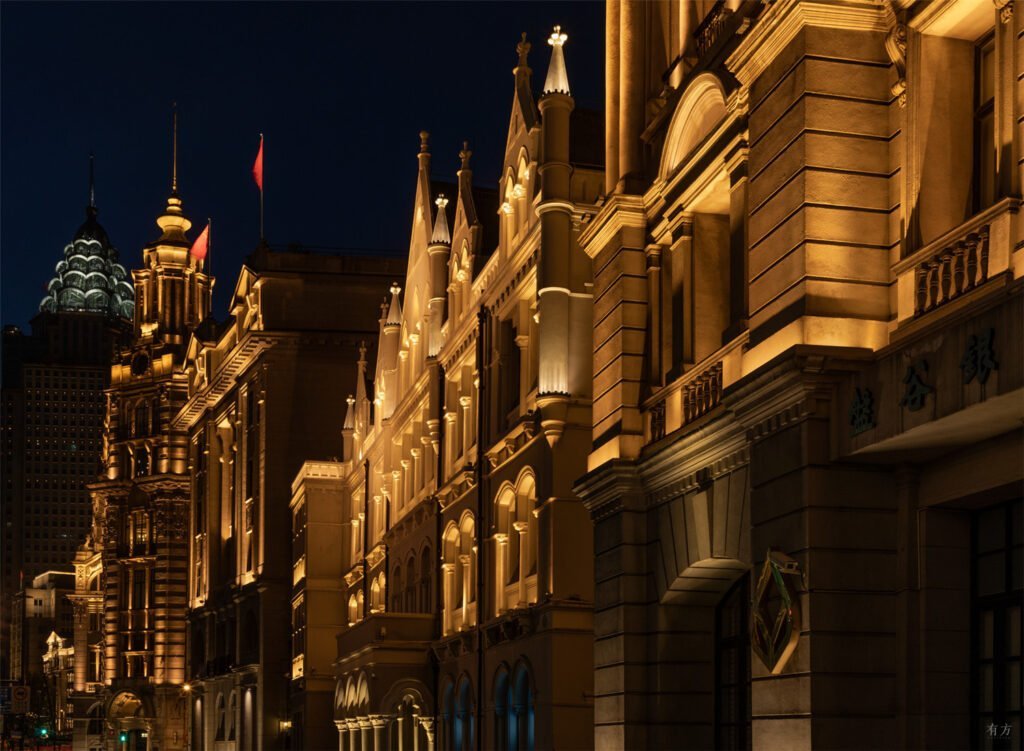
Critical Points in Facade Lighting Design
Having garnered insights about facade lighting, it’s crucial to understand several nuances before its application on a building or other edifices. Here are the pivotal elements to consider:
1. Highlighting Selectively
Beginners often fall into the trap of illuminating the entire facade. Although this can sometimes be necessary, only spotlighting crucial areas is generally sufficient. Examine the front meticulously to decide what needs illumination. Recognize the primary focal points of the building. However, remember that these viewpoints might shift based on the observer. For instance, a pedestrian will perceive a structure differently than someone viewing it from a neighboring skyscraper. Tailor your lighting approach based on the targeted audience.
2. Desired Ambiance
Facade lighting plays a crucial role in setting a place’s ambience. Your chosen mood will guide the rest of your lighting decisions. While residential buildings typically lean towards a serene ambience, places like plazas or retail stores might opt for more striking lighting. Restaurants can adapt their lighting based on the atmosphere they wish to convey. Also, consider unique features of the facade like rhythm, patterns, or symmetry that lighting can enhance.
3. Purpose of Lighting
Utility is fundamental to facade lighting, but its significance varies across structures. For instance, while commercial properties like banks might need brighter lighting for security purposes, residential buildings might not require as much intensity. Always factor in the building’s functional needs when devising a lighting strategy.
4. Lighting Choice
In facade lighting, you’ll be faced with a choice between direct and indirect illumination:
- Direct Light: This mimics natural light and offers higher brightness. Though it ensures a precise definition, it can also result in glares. Prolonged exposure can be taxing, leading to discomfort or headaches, especially in places where people spend extended periods during the night. However, there are anti-glare solutions to circumvent this while retaining aesthetics.
- Indirect Light: Offering a diffused brightness, indirect light is easier on the eyes. It casts a soft glow, contributing to a soothing ambience. Its limitation, however, is that it can render spaces somewhat lackluster.
Ideally, combining direct and indirect lighting can create a harmonious environment.
5. Consider Color Temperature
The color temperature represents where the light falls on a spectrum, ranging from warm to cool. The choice depends on the specific requirements of a space. Cold light suits spaces like parks and open work areas, while warmer tones are best for residential areas. As a guideline, lights above 5000K are excellent, while those between 2700-3000K are more generous.
Benefits of Facade Lighting
Certainly! Façade lighting, when done correctly, offers myriad benefits, both functional and aesthetic. Here are ten advantages of investing in façade lighting:
- Aesthetic Enhancement: Façade lighting amplifies the beauty of buildings, making architectural details pop and creating a memorable visual experience.
- Urban Landmarking: Strategically lit buildings can become iconic landmarks, fostering a unique identity and distinguishing the structure from its surroundings.
- Improved Safety: Proper façade illumination can deter potential threats or illicit activities by eliminating dark areas around a building’s perimeter.
- Boosts Tourism: Captivating lighting designs can draw tourists, making places more attractive for evening visits and photography.
- Enhances Brand Image: For commercial buildings, tailored façade lighting can underline a brand’s identity and convey its essence to the onlooker, acting as a silent yet powerful advertising tool.
- Energy Efficiency: With the advent of LED technology and intelligent control systems, façade lighting can be vibrant and energy-efficient.
- Cultural Expression: Historical or culturally significant buildings can use façade lighting to highlight their architectural heritage, telling stories through illumination.
- Increased Real Estate Value: A well-lit building often appears more premium and attractive, potentially enhancing its real estate market value.
- Adaptability: Modern lighting solutions allow for dynamic façade lighting, enabling buildings to change their exterior appearance according to occasions, festivals, or events.
- Environmental Awareness: By choosing environmentally-friendly lighting solutions, buildings can minimize light pollution, focusing beams precisely where needed and avoiding unnecessary light scattering.
Incorporating façade lighting requires a harmonious blend of technology, art, and design understanding. But when executed to perfection, it can transform the individual structure and the larger urban landscape in which it resides.
In Summary
Illuminating a building’s exterior through facade lighting is a remarkable method to emphasize its features. It not only boosts the building’s visual appeal but also increases its functional use and security, especially in residential and commercial structures. However, the key lies in mastering the art of facade lighting.
It’s imperative to recognize your tastes, the building’s specific needs, and the proper methods for implementation. Additionally, being mindful of your budget and ensuring the cost-effectiveness of the lighting choice is crucial. Following these guidelines will undoubtedly make any building stand out and look spectacular. We trust that this article has been informative!
MyLikeLed is your trusted source for top-tier LED strips and LED neon flex. Rigorously tested in advanced labs, our products guarantee excellence. Moreover, we provide tailor-made solutions for our LED offerings. For unmatched LED strips and neon flex, reach out to MyLikeLed today!

Hi, I’m Xylia Xiong, a sales professional with 14 years of experience in the LED strip light industry. I specialize in providing tailored solutions, leveraging my expertise in LED products and the latest industry trends. Known for effective communication and problem-solving, I’m dedicated to helping lighting manufacturers, importers, and distributors achieve their goals.
Let’s work together to create customized solutions that exceed expectations.