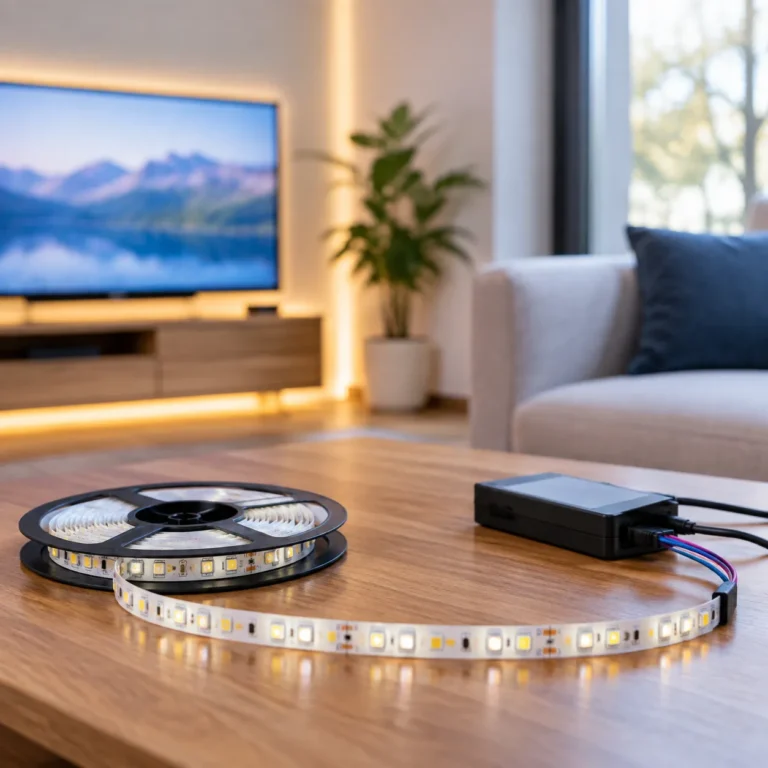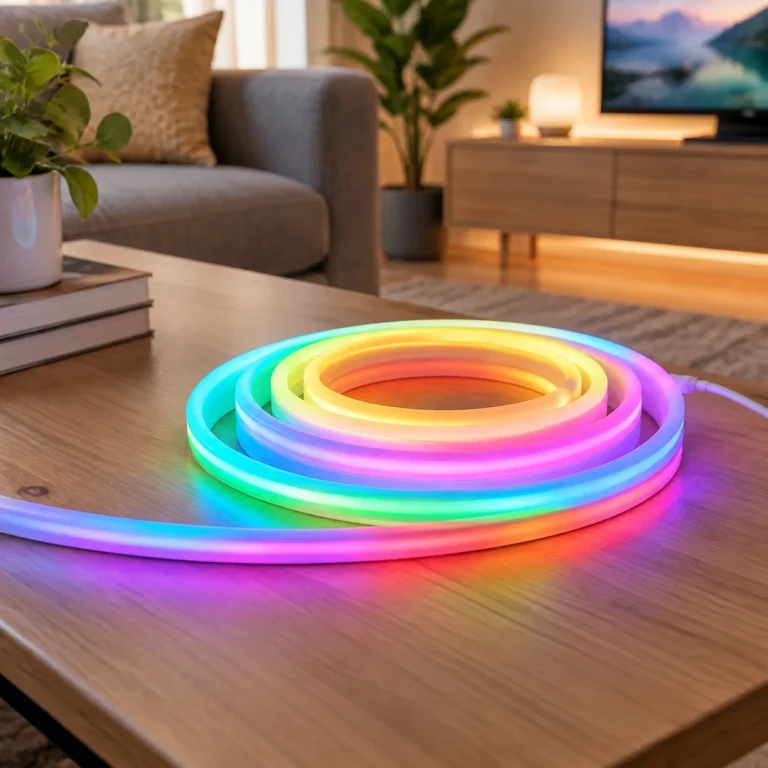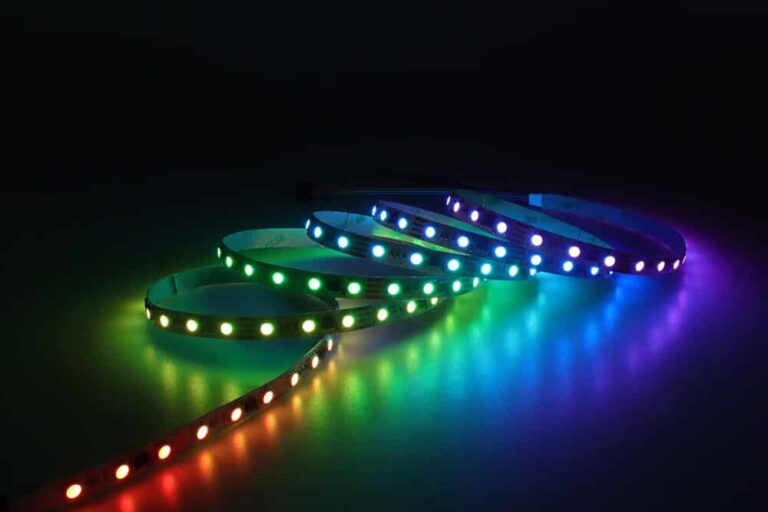
LED lights have revolutionized our environments, catering to specific needs and activities like never before. From the concentration demanded by studying to the relaxation needed for sound sleep and the immersive experience sought in gaming, the color and intensity of LED lights can make a significant difference.
Dive in as we explore the optimal LED light colors for studying, sleeping, and gaming, ensuring you get the best out of each activity.
LEDs are highly efficient, emitting up to 90% of their energy as light – a stark contrast to traditional incandescent bulbs. While most recognize the familiar glow of an LED, few understand the underlying chemistry.
When an electrical current passes through a microchip inside the LED, it emits light. In essence, this visible light from LEDs is a potent illumination source. This article will explore various LED types suited for different energy needs.
Impact Of LED Light Colors For Studying, Sleeping, & Gaming
LED light colors are pivotal in setting the tone and mood for various activities. So, the best light color for studying can enhance focus and reduce eye strain. Cool white or daylight colors, typically ranging between 5000 to 6500 Kelvin, have been found effective in increasing concentration and alertness, making them ideal for reading and study sessions. These brighter colors mimic daylight, signaling the brain to stay awake and alert, thus promoting an environment conducive to productivity.
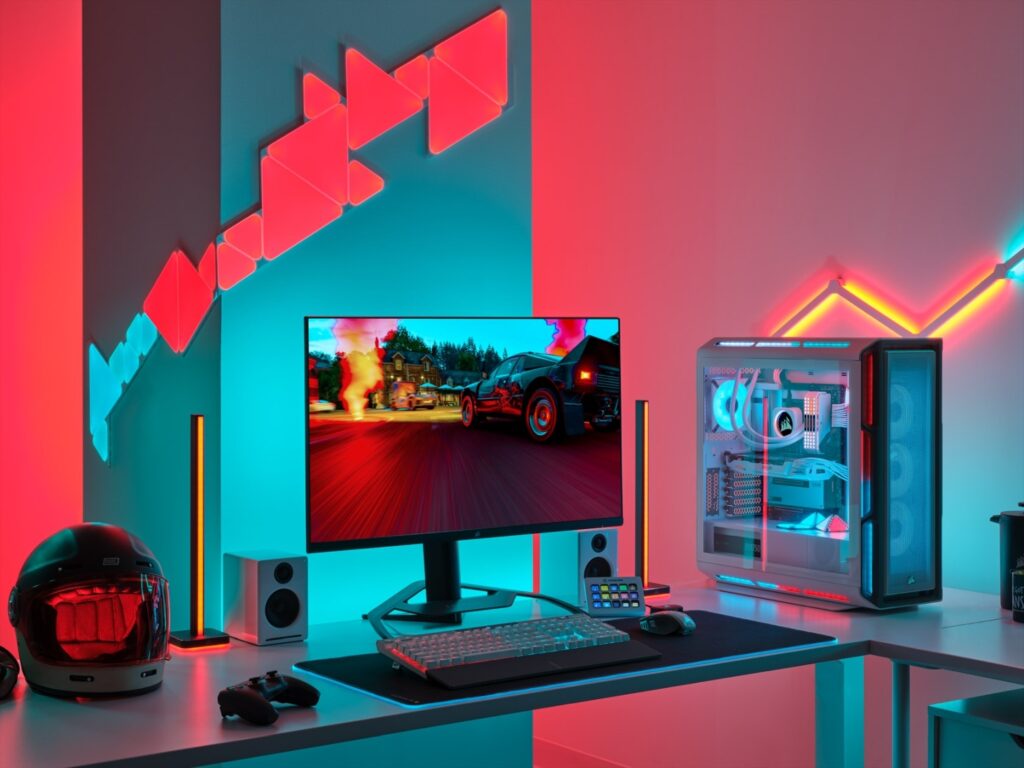
On the other hand, warmer colors that resemble sunset hues, usually around 2700 to 3000 Kelvin, are recommended for activities like sleeping. These tones help stimulate the production of Melatonin, the sleep hormone, aiding in relaxation and easing the transition to sleep. As for gaming, the impact of LED light colors is multifaceted. Ambient backlighting can reduce eye strain during prolonged sessions, while dynamic RGB setups, synchronized with the game, can significantly enhance the immersive experience. Gamers often prefer adjustable LED arrangements to match the mood and genre of their games, ensuring both comfort and a heightened gaming adventure.
Best LED Colors for Different Activities: An In-depth Look
Let’s explore some essential activities you can do with the best LED colors–
LED Lights For Study
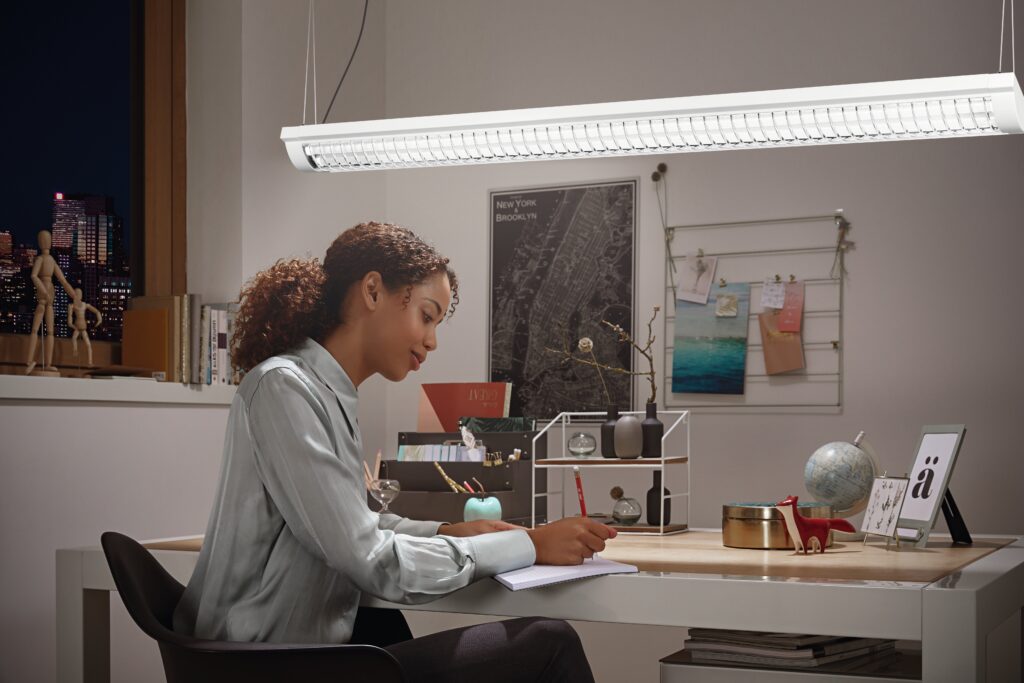
Proper lighting is crucial for effective studying. A conducive environment helps maintain clarity and focus. Lights significantly influence our mental state, aiding or hindering our ability to concentrate. Here are some LED colors best suited for studying:
- Cool Blue: Resembling daylight, the cool blue LED color is ideal for studying. It provides comfort and signals the brain that it’s time for focused work. This hue keeps the brain alert, especially during extended study sessions.
- Cool White: Mimicking the essence of morning light, the cool white LED is clear and bright, enhancing productivity. Its luminosity helps maintain focus and invigorates the mind, promoting prolonged concentration.
- Nature White: Nature white LED is akin to natural daylight in its appearance. While their wavelengths differ, our brains interpret them similarly. Studying in such light is beneficial because of its brightness, which keeps us awake and attentive. Softer lights might induce drowsiness, which is not suitable for study.
- Daylight White: Hormones like Serotonin and Melatonin influence our body’s sleep-wake cycle. While Serotonin elevates mood and promotes wakefulness, Melatonin induces sleep in dim lighting. Bright lights, like the daylight white LED, stimulate wakefulness and attentiveness, making it an excellent choice for study environments.
LED Lights For Sleep
- Red Light
Red light is the best LED color for sleep due to its calming effects and minimal disruption to the circadian rhythm. This makes red light a top choice during bedtime.
Conversely, when excess exposure to blue light intersects with red glare, the red helps induce relaxation and sleep. Our eyes contain photosensitive cells integral to our body’s biological systems. These cells absorb different light wavelengths and signal the body accordingly.
For instance, when our eyes absorb blue light, these photosensitive cells signal the brain that it’s daytime, reducing melatonin production and making sleep elusive. Studies show that red light can offset the effects of green light, which relaxes the eyes, brain, and body, promoting sleep. This happens because green light is adept at reducing melatonin production.
- Amber Light
A peaceful environment is essential for sleep, making amber light, known for its calming effects, an ideal choice. Amber light supports melatonin production, improving both sleep quality and mood.
After prolonged exposure to bright screens from devices like laptops and smartphones, our eyes and bodies crave a gentler light to unwind. Amber light addresses the imbalances caused by the blue light from electronics, which can disturb our natural circadian rhythms and melatonin production.
Opting for an amber light can counter these imbalances, shielding the eyes from potential harm and fostering improved sleep. Its warm spectrum doesn’t hinder melatonin production, promoting a sense of tranquility and facilitating sleep. This can be attributed to amber light’s similarity to the wavelengths produced by candlelight, known for its calming properties after absorbing bright, intense colors.
Duration to Drift into Sleep Based on LED Colors
How quickly one drifts into sleep can vary depending on individual differences and the surrounding light. Such lighting plays a role in calming our cells, easing us into rest. Notably, it aids in the natural production of Melatonin, a hormone that promotes sleep. Based on particular research findings, scientists have presented the average time required to fall asleep under different lighting conditions.
Time required to sleep based on LED color wavelengths:
- White: 21.2 minutes
- Darkness: 21.1 minutes
- Non-favorite color: 16.8 minutes
- Favorite color: 12.3 minutes.
LED Lights For Gaming
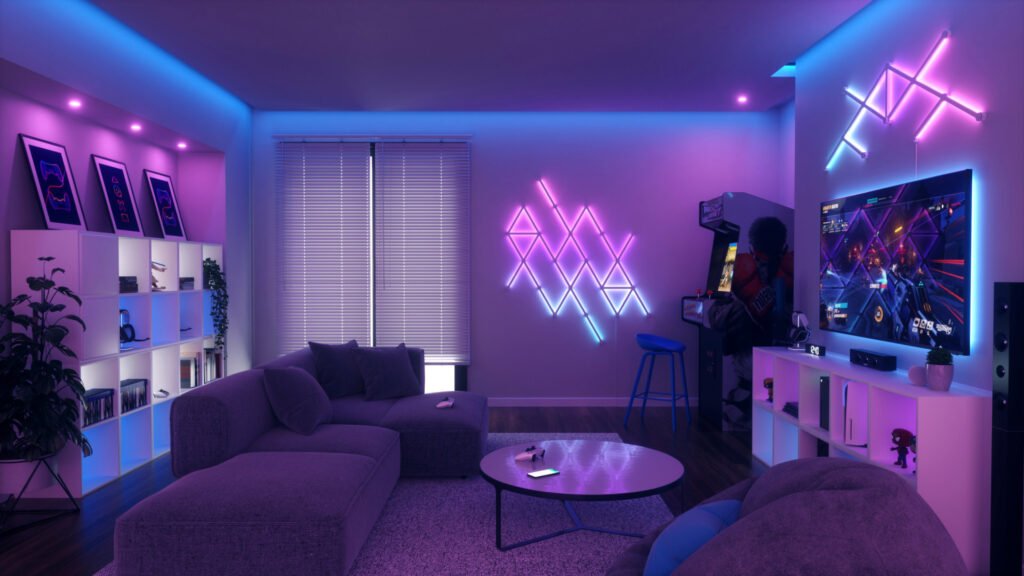
- Blue
Blue often evokes a sense of masculinity. Yet, instead of saturating to create blue LED room, consider white walls paired with blue LED ceiling lights or blue-themed artwork for accentuation.
Vibrant and lively blue comes alive when mixed with neon blue or pink lighting. To uplift the room’s ambiance, consider adding disco lights. Importantly, ensure balanced lighting to avoid over-brightness.
- Orange
Orange is a radiant hue that captures the essence of summer and spring. It instills a zest for life, making it a favorite for gaming rooms due to the energy and excitement it evokes.
Creating an orange-themed room requires effort, but the resulting atmosphere is unparalleled. Opt for orange LED lights to harness its vibrancy during gaming sessions. Pairing orange with contrasting bright colors from gaming equipment enhances its allure. Remember to strike a balance for the most vivid yet pleasing appearance.
- White
White, being naturally luminous, brings brightness and clarity. A white gaming room can induce calm and focus. For added style, consider a textured finish of the gaming room wall colors in a matte or glossy white finish, which reflects light minimally and camouflages dirt.
While many prefer the sophistication of black for gaming rooms, pair a white textured wall with black gaming equipment against a vibrant backdrop if you want to incorporate black elements.
- RGB Lighting
The green shade is synonymous with Xbox. Gamers often dream of a setup highlighting this particular hue, with neon green standing out as a top choice for a green-centric gaming room.
Other fitting green variants include dark green, forest greens, teal, and turquoise. Integrating it with green undertones can be visually striking for those with a penchant for black. To accentuate green’s brightness, pair it with RGB lighting. This combination will undoubtedly add a unique flair to any gaming space.
Recommended LED Colors for Gaming Rooms
- Gray: Gray, rooted in color psychology, offers a sophisticated neutrality ideal for gaming environments. While some might describe gray as unremarkable or lacking vibrancy, its subtleness allows for the addition of bright gaming equipment to elevate the room’s appeal. Pairing gray with hints of steel, black, or other gray shades can amplify its elegance. Wood accents also complement gray beautifully.
- Black & White: The timeless monochrome black and white duo remains a favorite interior choice, best led light colors for gaming. Not only do they offer visual simplicity, but they also grant rooms a chic flair. To heighten the ambiance of the gaming space, consider integrating LED lighting—either gaming-specific or general ceiling LEDs. Such LED lights for gamers can also assist in maintaining their in-game concentration.
- Brown: Earthy wooden finishes or hues mimicking tree bark perfectly accentuate a black-and-white palette, imparting a rustic yet refined touch. This organic brown tone ensures the room retains a contemporary feel. To magnify the room’s allure, incorporate a luminous lighting setup. Warm oranges and lighter shades harmonize beautifully with brown.
- Red: Red, symbolic of love, desire, and intensity, can infuse a gaming room enthusiastically. Because of its vibrant and deep nature, balancing it with lighter colors is pivotal. Shades like orange, yellow, or golden brown can accentuate and complement the richness of red.
- Black: The enigma of black can enhance a gamer’s focus and give an illusion of a more expansive space. However, black can make areas seem even more compact in smaller rooms. If you gravitate towards a predominantly black room, it’s crucial to incorporate lighter tones to offset its depth, making the room pop.
- Pink: Gone are the days when pink was stereotypically deemed ‘just for girls.’ The contemporary design sees pink in gaming rooms across the board. To embellish its charm, you can pair it with purples or whites. For a blend of delicacy and boldness, a combination of pink and black can render the room both trendy and assertive.
Conclusion
The sections above eloquently outline the significance of different LED light colors for various tasks. In the past, light colors’ specific importance or relevance was less understood. However, with technological advancements, consumers are becoming more informed about what’s beneficial. This evolution has led them to seek the best choices in every domain, including LED light shades.
MyLikeLed produces top-tier LED strips and LED neon flex. Our products undergo rigorous testing in state-of-the-art labs to ensure unparalleled quality. Furthermore, we provide customizable solutions for our LED strips and neon flex. For the finest LED strip and LED neon flex, contact MyLikeLed today!
FAQs
What is the best LED color for studying?
Cool white or daylight (around 5000K–6500K) is best for studying because it increases focus and alertness.
Which LED color helps you sleep better?
Warm colors like soft red, amber, or warm white (around 2700K) promote relaxation and help improve sleep.
What LED color is best for gaming?
Purple, blue, or RGB lighting setups are popular for gaming because they create an immersive and energetic environment.
Can LED light colors really affect mood and performance?
Yes, different LED colors can influence your mood, energy levels, and even how well you concentrate or relax.
Is blue light bad before sleeping?
Yes, exposure to blue light before bedtime can disrupt your natural sleep cycle by reducing melatonin production.
Should I use the same LED light color for studying and sleeping?
No, use cool white for studying to stay alert and switch to warm tones at night to help your body relax for sleep.

Hi, I’m Xylia Xiong, a sales professional with 14 years of experience in the LED strip light industry. I specialize in providing tailored solutions, leveraging my expertise in LED products and the latest industry trends. Known for effective communication and problem-solving, I’m dedicated to helping lighting manufacturers, importers, and distributors achieve their goals.
Let’s work together to create customized solutions that exceed expectations.