You can pair wood panel walls with LED lighting to elevate any space to an entirely new level with energy efficiency. But how do you integrate LED lights with wood panel walls? This article is all about that.
Here, I will discuss all the aspects and benefits of integrating LED lighting with wooden wall panels. You will have a clear idea of lighting and how to choose the perfect LED strips for your wooden wall. Lastly, I will give a step-by-step walkthrough on the installation and maintenance process.
Benefits of LED Lighting In Wood Panel Wall Designs
Cost Savings
LED lights use way less energy than other lighting. Also, they do not need frequent replacement. One industry estimate notes that switching to LEDs can eliminate decades of bulb changes. Over months and years, the reduced energy use of an LED-lit wood panel ensures noticeably lower utility bills. So, electricity and maintenance savings can be a big reason behind why you should choose LED-enhanced wood walls.
Energy Efficient
LED strips convert most electrical power into light rather than heat. In fact, modern LED fixtures can produce the same brightness as an incandescent bulb using only 20–25% of the electricity. The U.S. Department of Energy notes that ENERGY STAR LEDs cut residential lighting energy use by about 75% compared to traditional bulbs. So, integrating LED backlighting behind a wooden wall can give you high-impact illumination for only a fraction of the energy.
Long Lifespan
LED lighting modules are built to run for a long time. Quality LED strips and panels are generally rated for 30,000–50,000 hours of use. It is equal to decades of continuous operation. So, LED backlighting in a wood wall will stay lit reliably for years. This longevity is a boon because they simply become a “set-it-and-forget-it” feature.
Versatile Design
You will get endless design possibilities with wood panels with versatile shapes, colours, or control. Designers can pick warm white tones for a cosy, natural feel or cool white/RGB LEDs for a crisp modern look. Also, LED strips are dimmable and colour-tunable. So, you can change the ambience of your wooden wall panels to suit your needs. Thus, integrating LEDs into wooden slats transforms the wall from a static backdrop into a dynamic canvas of light. You can also use this amazing feature to reinforce brand colours or signal different modes in the signage.
Low Heat Emission
Traditional bulbs release up to 90% as heat, whereas LED strips convert most of their energy into light. So, built-in LED strips raise panel temperatures only marginally. So, you will not have to worry about scorching or warping the wood. Architects and homeowners appreciate that the wood stays touchable with LED lighting on. The room remains at a stable temperature. This cool operation makes illuminated wood walls safer and more comfortable.
Eco-Friendliness
LED lighting is also kinder to the environment. Since LEDs use far less electricity, they reduce the carbon footprint of lighting the wood panels. LEDs contain no mercury or other toxic gases. A single LED strip can replace dozens of conventional bulbs. Their long life also means far less electronic waste. So, the pair of sustainable wood panels and energy-efficient LEDs can contribute to green building certifications.
Low Maintenance
Once installed, LED-enhanced wood walls are maintenance-free. They rarely need bulb swaps, and most people never consider changing them. This quality is a massive advantage in built-in applications. Lighting professionals note that the almost zero upkeep of LEDs contributes significantly to their overall savings. So, if you want to avoid upkeep hassle, LED strips are your best partner.
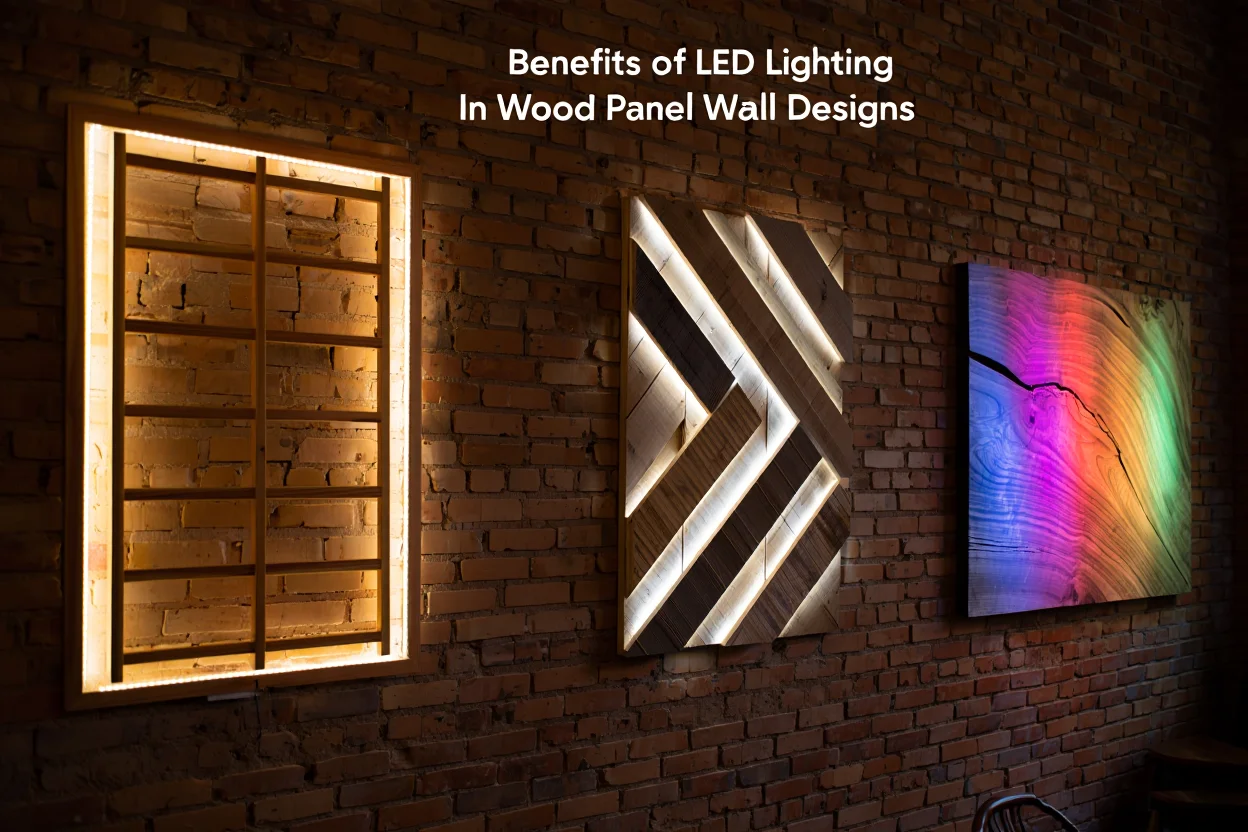
Seamless Integration
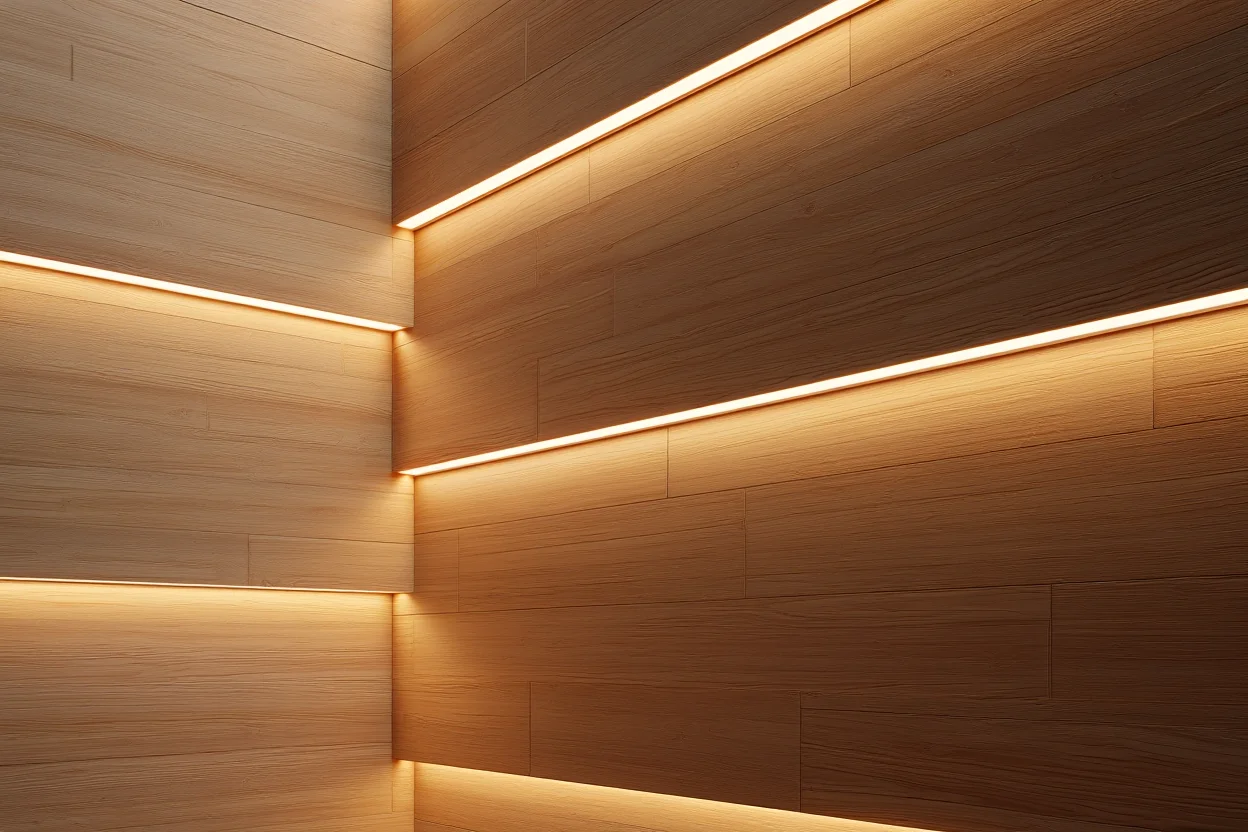
The slim profile of LED strips allows them to blend almost invisibly into wood panel designs. Installers can tuck a narrow LED strip into the channels between slats. They can also use them over the recessed flat fixtures behind panels to achieve a built-in look. Even curved or multi-level wooden surfaces can conceal the lighting hardware. Overall, the rich texture of the wood remains the star, with no visible light source or bulky fixture to detract from the design.
Innovation and Efficiency
LEDs bring innovative, adaptive features to wood wall panels. Today’s LED systems often connect to home or building automation. For example, you can integrate LED strips with platforms like Philips Hue, Google Home, or Amazon Alexa. This will help you change a wood wall’s glow via smartphone or voice command. Many setups also support dynamic scenes and schedules, and high-tech options turn a wood accent wall into an interactive lighting element. This makes them perfect for tech-savvy people.
Create A Visual Masterpiece
LED integration dramatically amplifies the visual appeal of wood panelling. They cast soft, even light that combines the natural grain and depth of the wood. The interplay of light and shadow on the wood’s texture makes your wall a focal point. Colour-changing or tunable LEDs can also enhance the mood. Many observers call LED-lit wood walls “visual masterpieces”. So, you are getting a combination of a stunning, immersive backdrop with the warmth and sophistication to any room.
Functional Lighting
You can strategically place LED strips to get excellent task lighting exactly where you need it. For example, you can install LEDs into a wood-panel backsplash or under-cabinet wood trim in a kitchen. Then, it will ensure bright, shadow-free illumination for food prep. Similarly, an LED integrated wooden slat feature wall can supply gentle ambient light and direct light in a home office or conference room. Likewise, a wood canopy with hidden LEDs in retail or hospitality can softly light the checkout counter or guide the way along corridors. Thus, LED lighting improves the design of the wall, which serves double duty.
Residential Applications For Wood Panel Walls and Their LED Lighting
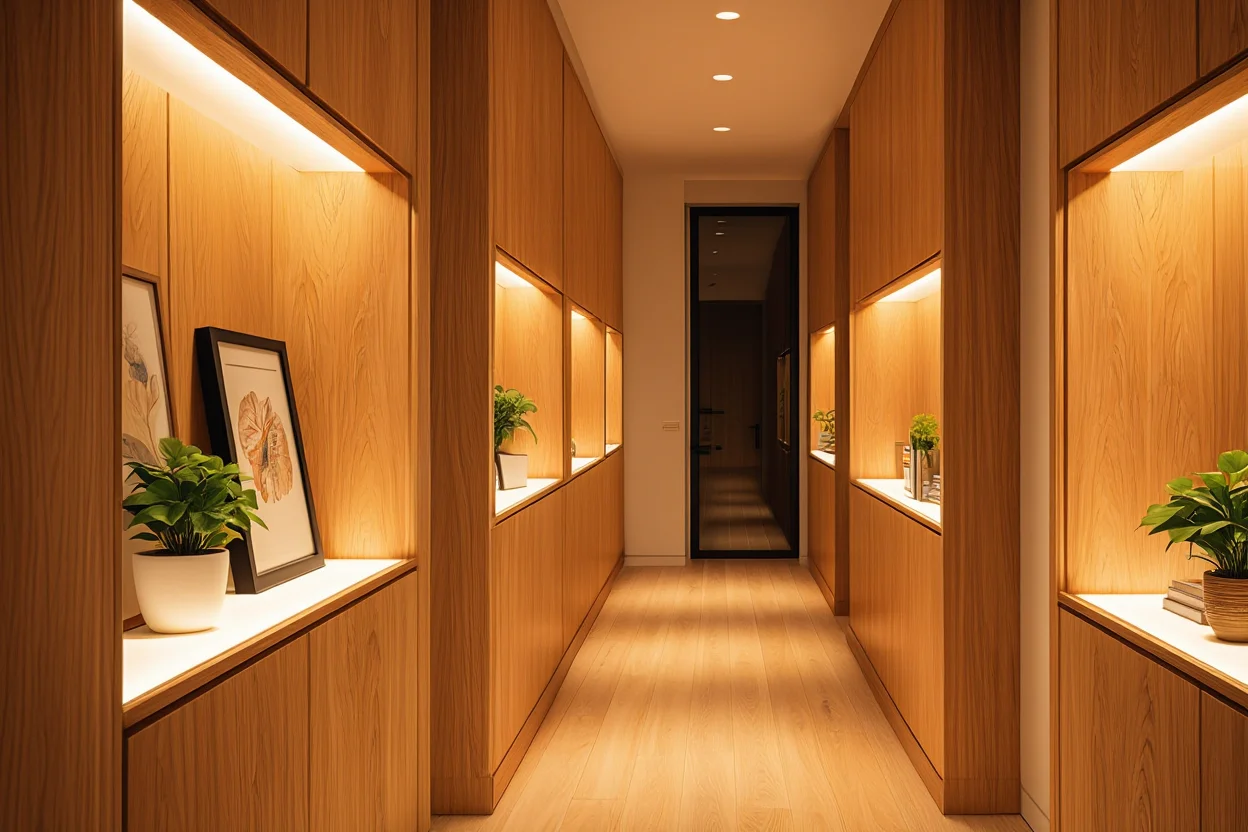
Hallways and Entryways
LED-lit wood panels provide a welcoming glow. They also highlight decor elements in Hallways and Entryways. You can use LEDs to accent art or plants in an entry as well. Adding LEDs to panels gives the space an extra dimension. Thus, it helps to make your home feel friendlier when guests walk in.
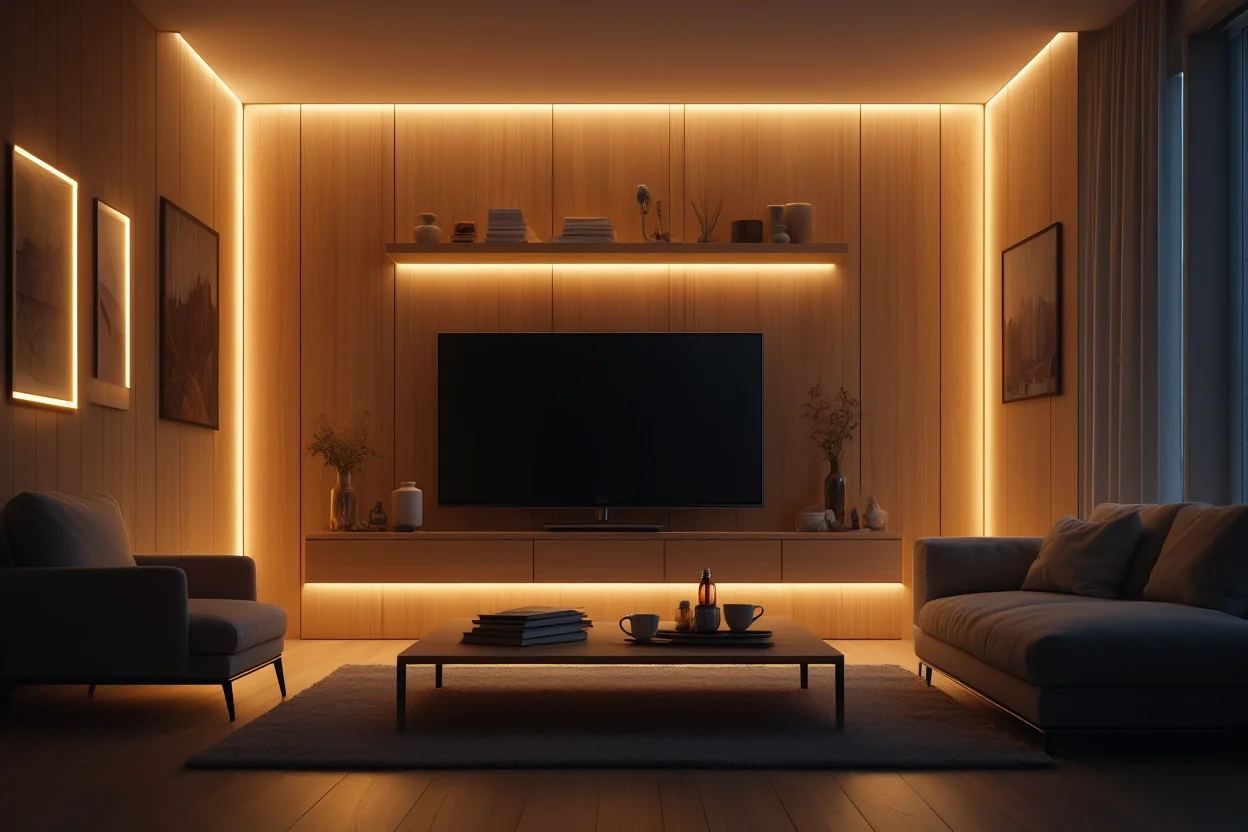
Living Room
Soft LED strips hidden behind the living room’s wooden walls make the room feel warm and inviting. These stylish and savvy lights can also set a relaxing mood when you need to binge. For example, you can mount strips behind the TV or insert them into an accent wall. You can also frame artwork or shelves and turn the wall into visual art. Thus, you can save on electricity while making your living room more dramatic.
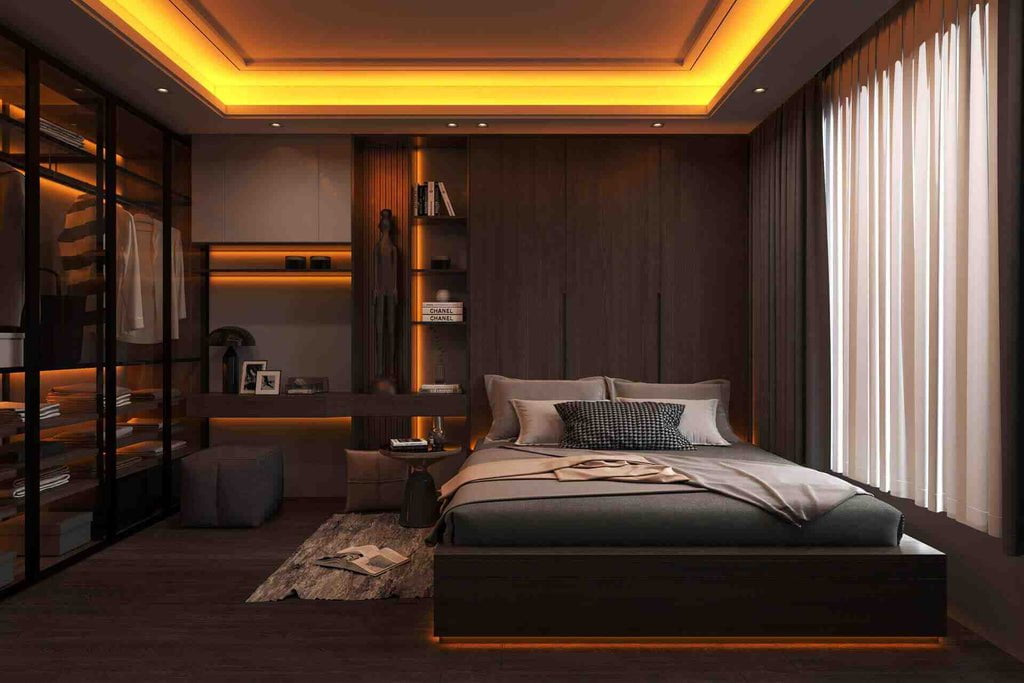
Imagine tucking a warm strip of LEDs behind your headboard or under the bed. Warm-white LEDs (around 2700K) mimic sunset light. So, they barely impact your sleep hormones to make you feel extra cosy at night. You can also line strips along closet shelves or under a dresser. Thus, you can skip bulky table lamps but still have plenty of light for reading or picking up your necessary things.
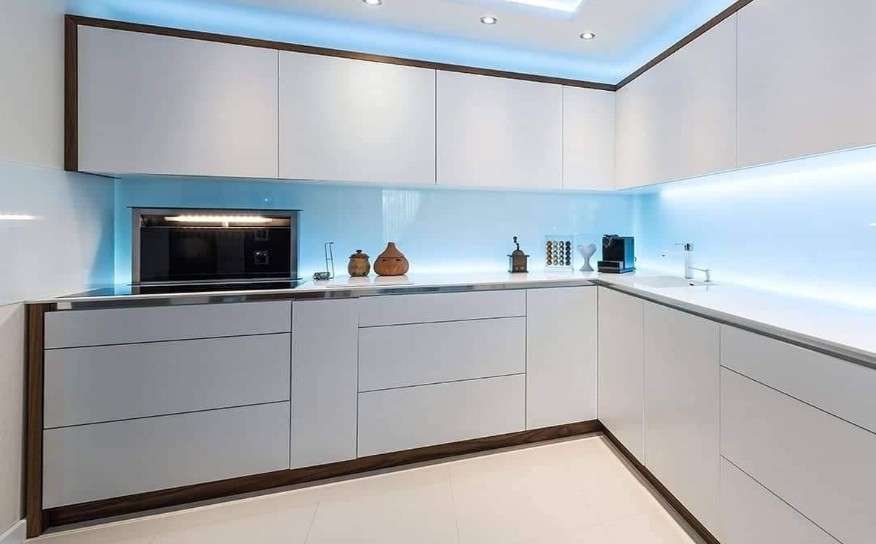
Kitchen
Installing LED strips under each cabinet wall floods the countertop with even light. This cuts down shadows for chopping and cooking. Also, you can set the strips behind a backsplash or around the edge of a kitchen island. These types of integrations can make cooking safer and the kitchen look cleaner.
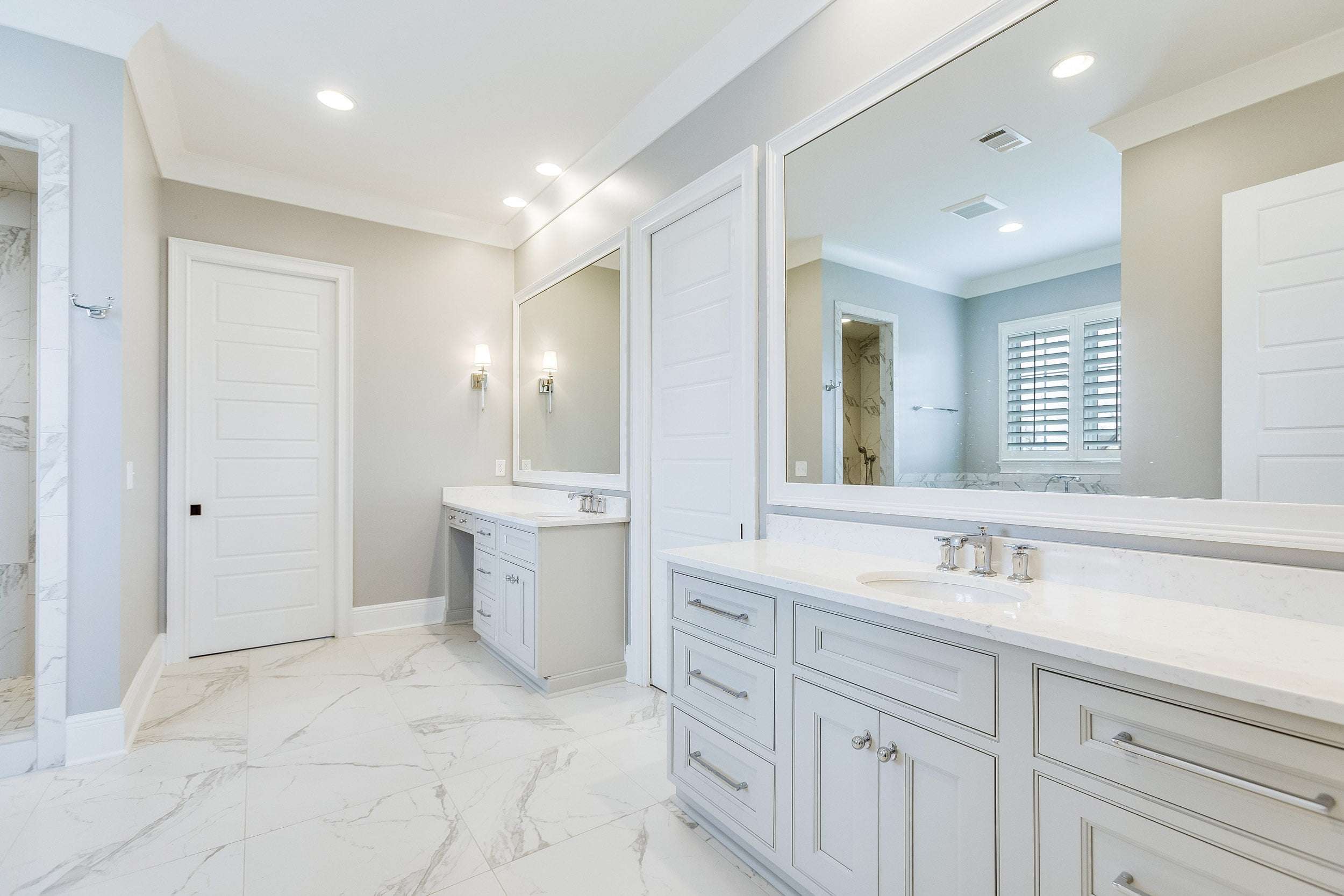
Bathroom
Subtle lighting adds a spa feel to bathrooms wooden walls. You can use LED strips behind wood panels or the ceiling for a soft, warm glow. This will create an even and dimmable illumination for a relaxing bath. You can also customise enough light for shaving or makeup. Thus, you get a soothing, luxurious vibe like a personal salon in your bathroom.
Commercial Applications for wood panel walls and their LED lighting
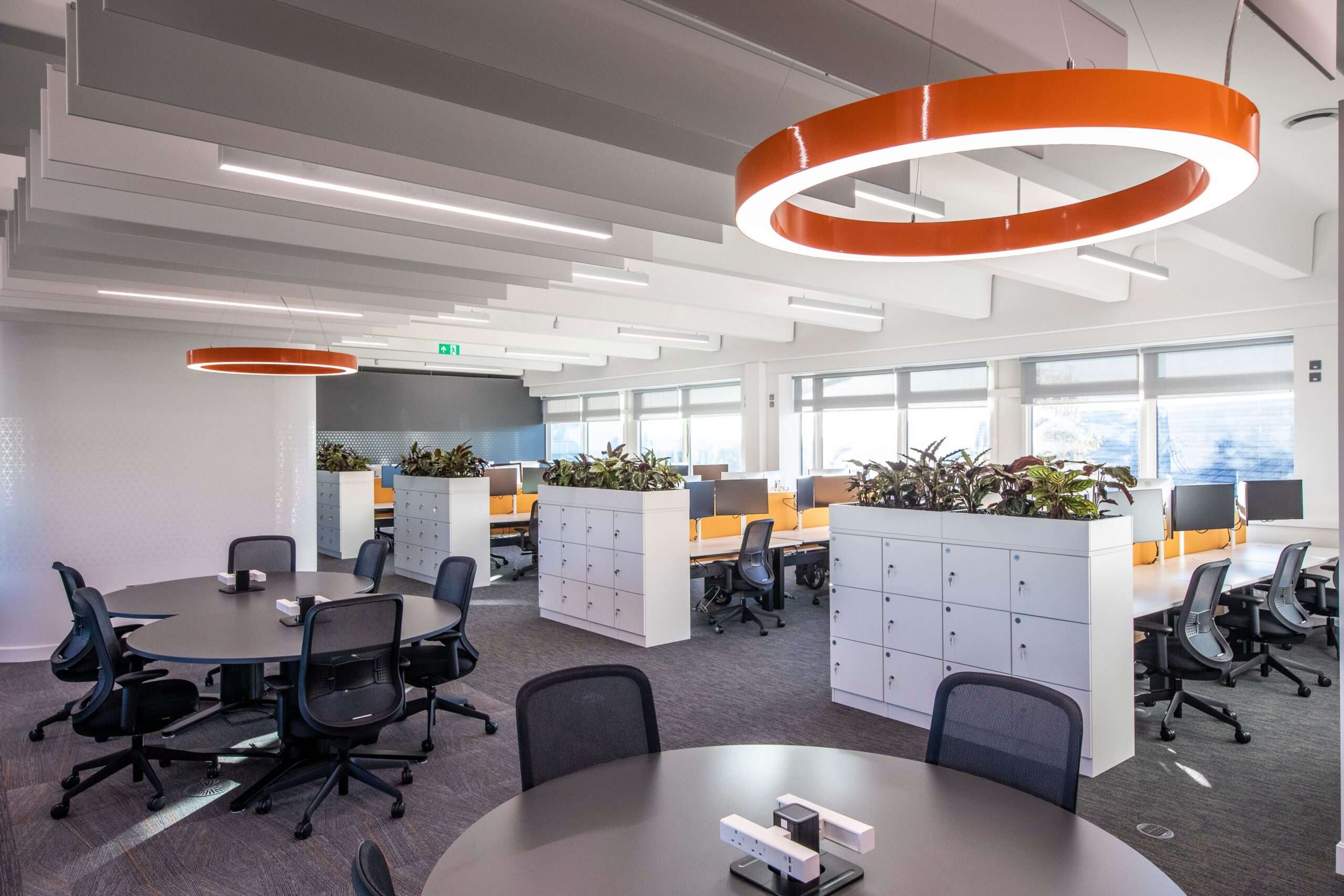
Office
LED-illuminated wood walls can turn a bland workspace into a comfortable and productive haven. The combination of gentle wood tones and even, flicker-free lighting helps people feel calm but focused. Well-designed LED lighting can also closely mimic daylight. It helps to reduce eye strain and keep everyone concentrating sharply.
You can also tailor the light colors or patterns in the panels to match your brand’s look in the office. For instance, illuminating a company logo on the wooden wall adds a powerful identity boost. They also reduce maintenance costs and footprint to support corporate sustainability goals.
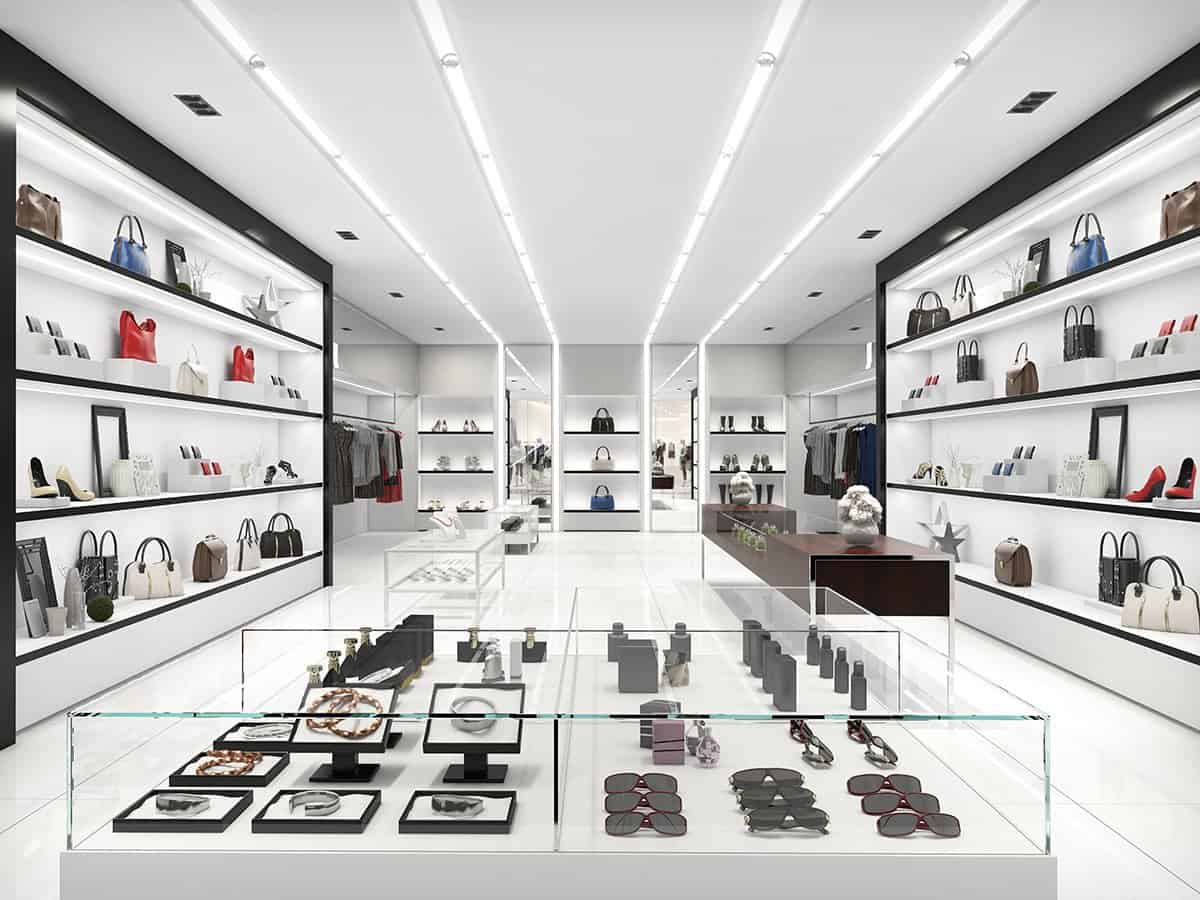
Retail And Showrooms
Lighting is the “silent salesperson” in retail design. With LED-lit walls, you can highlight new collections or seasonal displays without installing extra fixtures. The gentle glow draws customers’ eyes right to your product. Warm wood tones give displays a high-end, tactile feel.
At the same time, the LEDs ensure each item is well-lit and appealing. The result? Products pop off the shelves to boost impulse buys and “wow” impressions. Also, their colour flexibility ensures your store’s atmosphere can match any campaign or time of day.

Restaurants And Bars
Ambience is everything in restaurants and bars. LED-lit wood panels excel at setting the perfect mood as they can dim and shift colour. Thus, they take the vibe from bright at lunch to mellow for dinner. So, the restaurants can match lighting to different scenes.
These panels also help define the space without building walls. For example, you can use brighter, cooler-lit wood panels around the bar area. On the other hand, you can use softer-lit panels near the booths or the lounge. Thus, they create a natural flow between zones.
Hospitality Applications for wood panel walls and their LED lighting
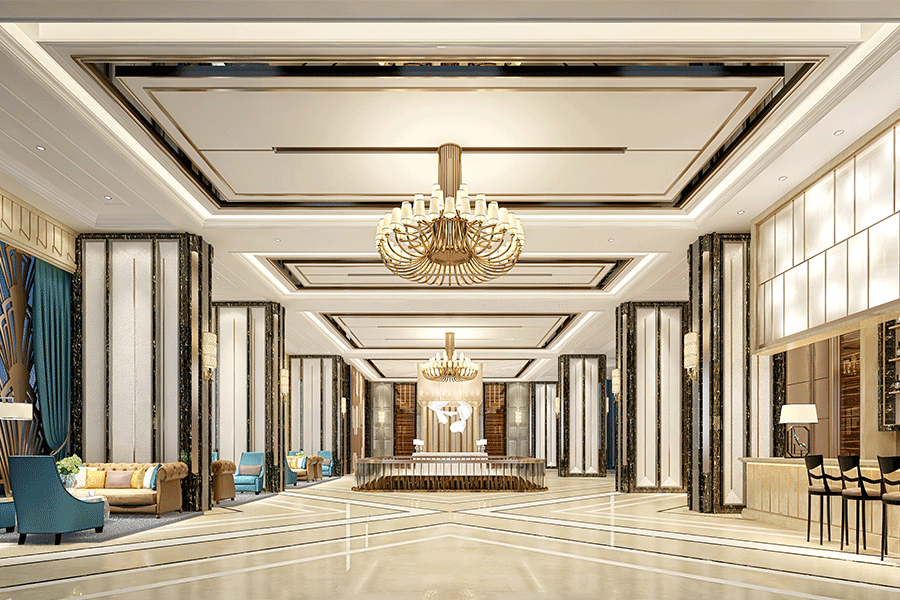
Hotels And Resorts
Wooden wall panels with built-in LED lighting are popular in hotels and resorts. They create a warm, rich, and luxurious feel in lobbies, hallways, and guest rooms. The mix of natural wood and gentle lighting gives the space a high-end, elegant look. It helps guests feel calm and at ease.
The soft glow from the LEDs adds comfort and makes the environment more relaxing. You can place the lights behind headboards or feature walls to highlight key areas. At the same time, LED lights use less energy than traditional lighting. Thus, this combination helps hotels in saving on electricity bills while maintaining a beautiful atmosphere.
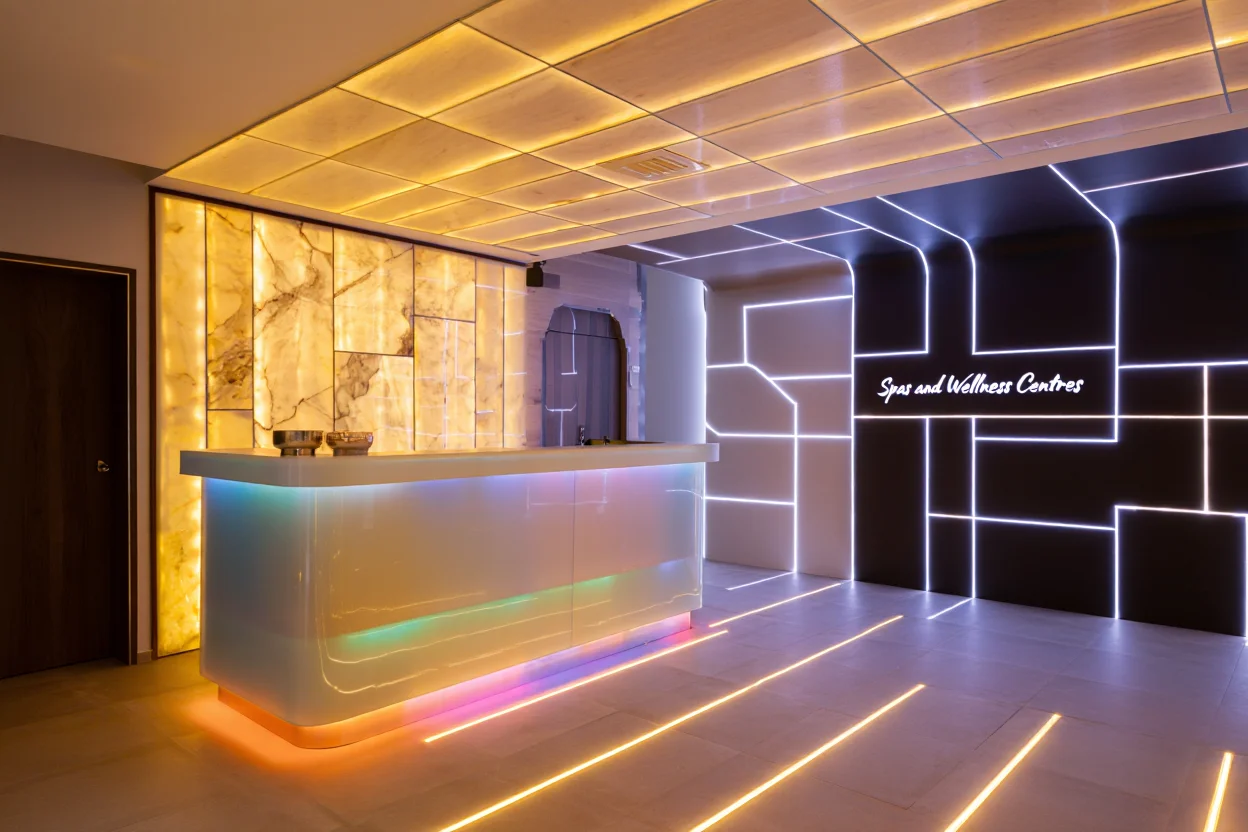
Spas and Wellness Centres
Wooden wall panels with LED lighting are ideal for spas and wellness centres. They help create a calm, peaceful, and healing environment. Soft LED lighting creates a soothing glow that helps guests feel relaxed and at ease. The lighting can also be dimmed or adjusted to suit treatments like massages, meditation, or facials. Thus, their combination makes each room a quiet, restful escape for the body and mind.
Which LED Strip Lights Are Best for the Wall?
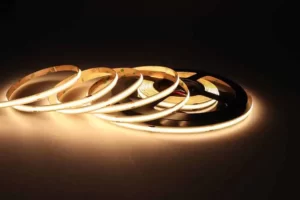
01. COB LED Strip
COB (chip-on-board) LED strips use hundreds of tiny LED chips packed closely on a single strip. This design creates a smooth, dot-free line of light that looks clean and even. Unlike traditional LED strips, COB strips don’t show visible light spots. So, they are perfect for highlighting wood panels or slats with a soft, continuous glow.
The strips are also very flexible. So, you can bend them easily around corners or curves. COB LEDs are bright and efficient, with some producing over 1400 lumens per meter. Many also offer high colour accuracy (CRI 90+). This means it shows wood’s true colours and textures.
02. LED Channel for Wood Slat Wall Panels
Using LED channels with wood slat wall panels adds both style and function. These aluminium channels hold the LED strips neatly in place. They often include diffusers to soften the light. So, you will get a sleek, elegant look with soft, indirect lighting. Channels can be recessed or surface-mounted. It helps to make the setup look tidy and flush with the wall.
They also help spread light evenly and prevent harsh spots. Dimmable COB strips inside the channels allow for adjustable mood lighting. Plus, the aluminium improves heat control, which helps the LEDs last longer.
03. LED Channel for Wood Wall Edging
LED channels for wood wall edging add soft, stylish lighting to corners and panel edges. These L-shaped aluminium profiles hold the LED strip at a 45° angle to shine light along two surfaces. They include diffusers that spread the light evenly and hide the individual LED dots.
It creates a smooth, glare-free glow. You can install them at the edge of a wooden wall, shelf, or ceiling line. There, they will produce a subtle backlight or halo effect to enrich the design. The aluminium also helps manage heat, making the strips last longer. With clips and end caps, these edging channels are easy to cut and install.
LED Lighting Solutions for Wood Panel Walls
By now, you must want to enhance the warmth and style of your wood panel walls with some premium LED lighting options. The right quality LED lights can bring your space to life with the perfect balance of light and design.
Our range of LED strips and accessories creates a relaxing glow to cooler tones for a clean, contemporary feel, and is designed to complement every style, especially shiplap and slat wall designs. Here are some of the best LED strips to combine with your wood panel
01. Top-Bend Silicone Neon LED Strip – Ideal for Wood Slat Walls
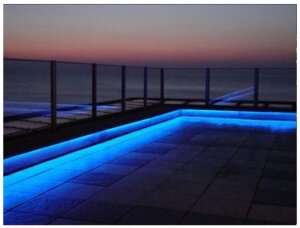
Silicone Neon LEDs are perfect for vertical wall applications and curved designs.
- Models: T1010, T1212
- Voltage: DC24V
- Power: 8W/m or 9.6W/m
- LED Count: 120 LEDs/m (SMD2835)
- Colour Options: 2700K, 3000K, 4000K, 5000K, 6500K, or custom
- CRI: >80 for natural color rendering
- Brightness: >480 lumens/m
- Water Resistance: IP65/IP67
- Cable Entry Options: Front, Side, Bottom
- Minimum Bend Diameter: 100mm
- Cuttable Every: 50mm
- Roll Length: 5 meters
02. Mini Cut Dotless COB LED Strip – Sleek & High CRI
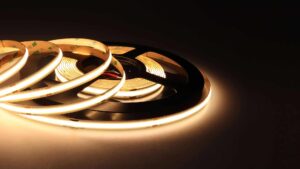
COB dot-free LED strips are perfect for refined interiors with seamless lighting and no visible dots.
- LED Chips per Meter: 300 to 600
- CRI: >90 for vivid color accuracy
- PCB Widths: 4mm / 8mm / 10mm
- Color Options: 2700K, 3000K, 4000K, 6000K
- Voltage: DC12V / DC24V
- Power Usage: 5W–14W per meter
- Cuttable Every: 5mm to 50mm
- Waterproof Rating: IP20 (for indoor use)
- Warranty: 3 years
- Roll Length: 5 meters
03. Flexible Silicone LED Channel – Built for Acoustic Wood Panels
They are soft, bendable, and easy to install to add a seamless light glow between wood slats.
- Lengths Available: 1m, 3m, 5m
- Lighting Direction: Frontal
- LEDs per Meter: 60+
- Colors: Milky White / Black
- Section Sizes: T1212 / T1616
- PCB Width: T1212 = 7mm, T1616 = 8mm
- Beam Angle: 120°
- Material: Flexible Silicone
- Waterproof: IP67
- Compatible LEDs: SMD2835 / 5050 / COB strips
04. COB LED Strip with Aluminum Channel – Clean Finish for Panel Walls
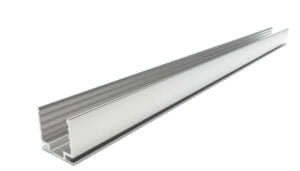
They are durable aluminum housing with smooth COB light output for elegant lighting lines.
- Lengths Available: 1m, 3m, 5m
- Lighting Direction: Frontal
- Aluminum Colors: Silver / Black
- Section Sizes: T1010 / T1208
- PCB Width: T1010 = 8mm, T1208 = 10mm
- Beam Angle: 120°
- Material: Aluminum with PC diffuser
- Waterproof Rating: IP20
- Compatible Strip Type: COB LED
Modern Architectural Trends with LED Lighting
Done with choosing the best LED strips for you? Let’s look at the modern architectural trends you can follow while integrating the LED with the wood panels.
1. Simple but Powerful Minimalist Designs
Minimalist architecture embraces simplicity by removing excess and focusing on essentials. LED-lit wooden panels can help replace the bulky lighting and extravagant walls for a minimalist design. You can pair wood’s soft texture with warm, indirect LED lighting to create cosy, clean, and character-rich interiors. The gentle illumination also visually enlarges smaller spaces by adding depth and openness. This understated elegance will reduce the need for additional decor because the illuminated panels serve as stylish focal points, which are enough for a minimalist setting.
2. Natural Look in Modern Tech in Smart Homes
Modern homes blend natural materials with innovative technology. So, you can use wooden panels with LED lighting for a sleek yet warm aesthetic. You can control brightness, color, and timing remotely using these innovative LED lighting systems. Apps or voice assistants can also help you automate lighting scenes for different moods or occasions. It creates personalised environments that shift with mood or time of day.
You can also use automatic lighting routines and integration with platforms like Alexa or Google Home. This will increase both convenience and efficiency. At the same time, it ensures energy-saving functions and reduces power use. So, you are getting sustainability with modern design.
3. Versatile Style That Works Anywhere
The beauty of wood and LED lighting is its flexibility. This combo works in all interiors. It can range from modern lofts to Scandinavian, mid-century, or rustic styles. LED-lit wooden panels can blend in and make the space feel complete.
Style Options:
- Light woods like maple or birch for a clean, bright look
- Dark woods like walnut or mahogany for a cosy, rich feeling
- Vertical slats, geometric shapes, or wide panels to suit your style
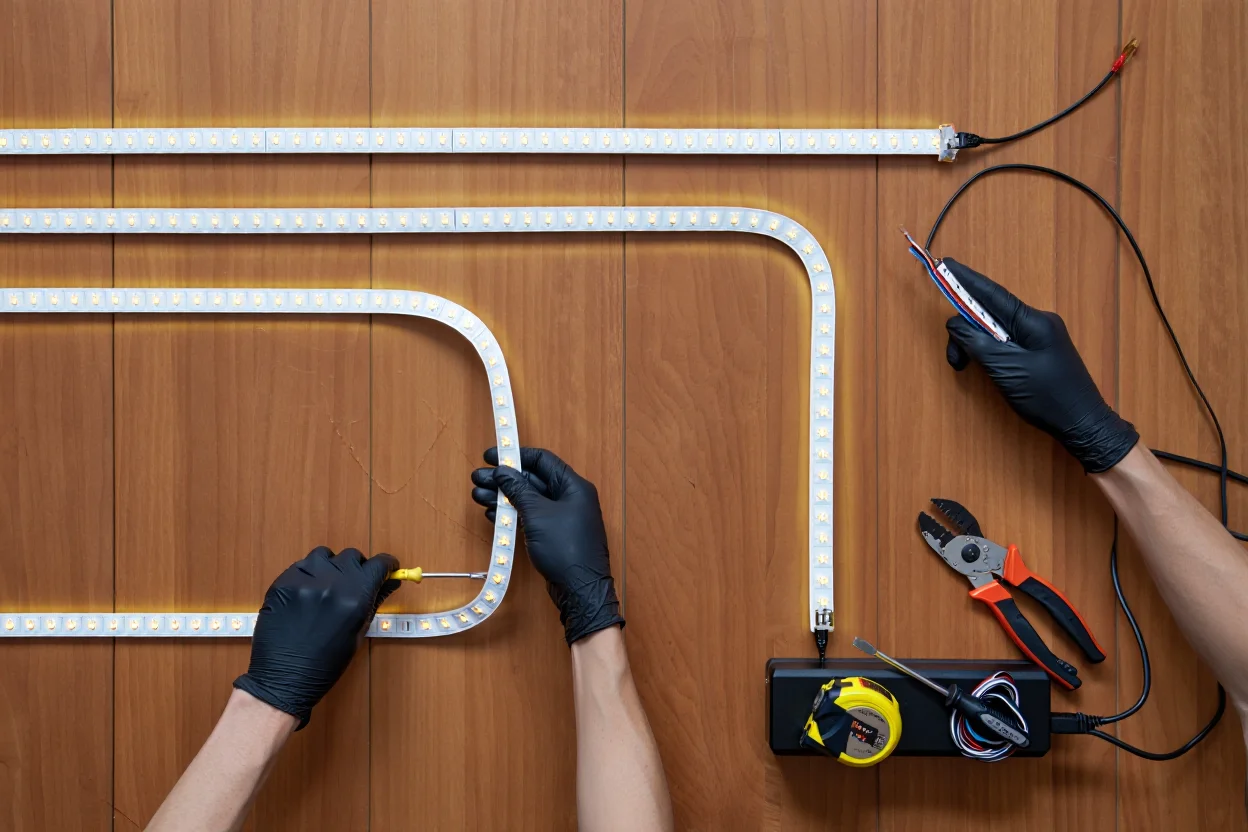
How to Install LED Lights On A Wood Panel Wall
Step 1: Prepare LED Strip Lights, Wood Slat Walls, and All Materials
Start by assembling all necessary items. Here’s a checklist to ensure you’re ready to begin:
- LED strip lights
- LED power supply
- LED strip connectors
- Double-sided mounting tape
- Screws
- Brackets
- Drill with suitable bits
- Wire cutters
- Strippers
- Measuring tape
- Pencil
- LED aluminium channel profiles with diffusers
- Cleaning cloth and isopropyl alcohol or soapy water
- Dimmer switch
- Remote controller
- Intelligent LED controller
Tip: Ensure your LED strip setup’s total length and wattage before purchasing. Also, check that the power supply can handle it with a 10–20% margin for safety.
Step 2: Plan The Layout Of The LED Lights
- Decide if the lighting will be indirect or direct.
- Choose installation points.
- Sketch the layout on paper or digitally.
- Calculate the needed strip lengths with a measuring tape.
- Plan where to locate connectors or power sources.
Step 3: Clean and Prepare the Wood Panel Wall
- Wipe the surface with a clean microfiber cloth to remove dust.
- Use isopropyl alcohol or warm, soapy water to clean off oil or residue.
- Wait till the wood slats are fully dry.
Step 4: Test, Cut, and Assemble LED Strips and Profiles
- Plug your LED strip into the power supply.
- Test that it lights up thoroughly and evenly.
- Identify cutting points on the strip that are marked with copper pads or scissor icons.
- Cut only at these points using sharp scissors.
- If using aluminium profiles, measure and cut them accordingly. The strip should be about 2 cm shorter than the channel length to allow space for end caps.
- Insert the LED strip into the profile.
- Clip the diffuser cover over the top.
- Use corner connectors or flexible connectors for changes in direction.
Step 5: Mounting The LED Strip On The Wood Panel Wall
There are two popular mounting methods:
Adhesive Tape (For Smooth, Flat Surfaces)
- Peel the backing from the double-sided tape on the LED profile or strip.
- Gently press the strip or profile onto the clean wood slat surface.
- Press firmly along the entire strip for 30 seconds to secure adhesion.
Screws and Brackets (For Extra Security or Textured Surfaces)
- Mark and pre-drill holes for mounting clips or profile brackets.
- Secure the LED aluminum profile to the wall using screws.
Step 6: Connecting All LED Strips
- Use straight connectors to extend strips in a straight line.
- Use angle connectors or jumper wires for corners or 90° turns.
- Insert the copper pads of the LED strips into the connector and clamp them down.
- Double-check connections by powering up each section after installation.
Step 7: Connecting LED Strips To Power
- Connect the end of the LED strip (or controller if used) to the power supply.
- Plug the power supply into a nearby socket.
- Turn on the power and test the whole setup.
- Check for issues like flickering, dim areas, or sections not lighting up.
7 Tips for Installing LED Strip Lights
- Read the manual or view tutorial videos to avoid costly mistakes.
- Use connectors or gradual curves to avoid internal damage, u
- Always locate the designated copper pads before trimming.
- Peel the adhesive backing slowly.
- If the backing tears, use new industrial-grade double-sided tape.
- Spend extra time prepping your surface.
- Match the voltage and ensure the power supply handles the total wattage.
- Place them in a dry, well-ventilated, and hidden location.
Tips for Creating Ambience with LED Lighting
- Position LED strips behind or around the wood panels to cast a subtle glow.
- Choose a colour temperature that complements your wood finish. Warm white (2700K–3000K) works wonderfully with rustic or natural woods. On the other hand, cool white (4000K–5000K) enhances modern or minimalistic designs.
- Integrate dimmable LED lights to shift the mood from vibrant to soft.
- Combine direct lighting with indirect lighting to add depth and visual interest.
- Adopt layering to eliminate shadows and dark corners.
How to Maintain LED Strip Lights On the Wall?
Clean Regularly: Wipe with a soft, dry cloth to remove dust. For tougher grime, use a lightly dampened cloth with a mild cleaner. Never soak the strips.
Avoid Harsh Chemicals: Do not use strong cleaners or abrasives. They can damage the LEDs and adhesive.
Inspect for Damages: Check for flickering, discoloration, or loose connections every few months. It will help you to prevent power issues or short circuits.
Test Functions Periodically: Ensure smart controls, dimmers, and colours work correctly, especially after updates or power changes.
Replace Faulty Parts Quickly: Fix or swap any damaged components immediately to keep the system safe and efficient.
Conclusion
LED lighting is a powerful way to elevate the beauty and functionality of wood panel walls. Integrating LED lighting with wood panels offers endless design possibilities. You will have to ensure the right LED with the correct installation process to add sophistication to any space.
Ready to transform your wood walls with stylish, energy-efficient LED lighting? Explore our range of LED solutions today and bring your vision to life! Contact and reach out to us right now!
FAQs
Can LED lights stick to wood?
Yes, LED strip lights can adhere to wood if you prep the surface and use the right adhesive. Start by cleaning the wood and lightly sanding it. Then, apply the strip’s peel-and-stick backing, strong double-sided tape, or silicone glue. You can also use plastic mounting clips for extra hold.
Are LED lights safe on wood?
Generally yes. LEDs emit very little heat compared to old incandescent or halogen bulbs. Halogens “emit high heat” while LEDs “operate at much cooler temperatures. It reduces the potential fire hazard”. However, use a reputable brand’s standard low-voltage LED strips (12V or 24V). Also, keep LEDs away from flammable materials as a precaution.
How do you install LED lights without ruining the wall?
Use gentle mounting methods. First, clean the wall with mild soap or rubbing alcohol and let it dry. Then attach the LED strip with removable or low-damage fixes. Another option is to snap the LEDs into a slim aluminum or plastic channel that you screw or nail into trim.
Why do my LED lights keep falling off the wall?
It can be because of a dirty or oily surface or the wrong mounting material. Dust, grease, or a glossy finish can prevent the strip’s tape from gripping. Humid or hot conditions can also soften and weaken the adhesive. To fix it, thoroughly clean and dry the wall with alcohol beforehand, and consider reinforcing the strip.
How do you get LED lights to stay on the wall?
Firstly, prep the wall and anchor smartly. Wipe or sand the wood so it’s clean and slightly rough. Then apply a high-quality adhesive. For a rock-solid hold, mount the strip in an aluminum extrusion.

Hi, I’m Xylia Xiong, a sales professional with 14 years of experience in the LED strip light industry. I specialize in providing tailored solutions, leveraging my expertise in LED products and the latest industry trends. Known for effective communication and problem-solving, I’m dedicated to helping lighting manufacturers, importers, and distributors achieve their goals.
Let’s work together to create customized solutions that exceed expectations.