Contact us for quotation
Let's have a chat
Let's have a chat

Choosing the right color temperature for home, office, or even photography can significantly impact aesthetics and functionality. So, confused between 3000K and 6000K color temperatures?
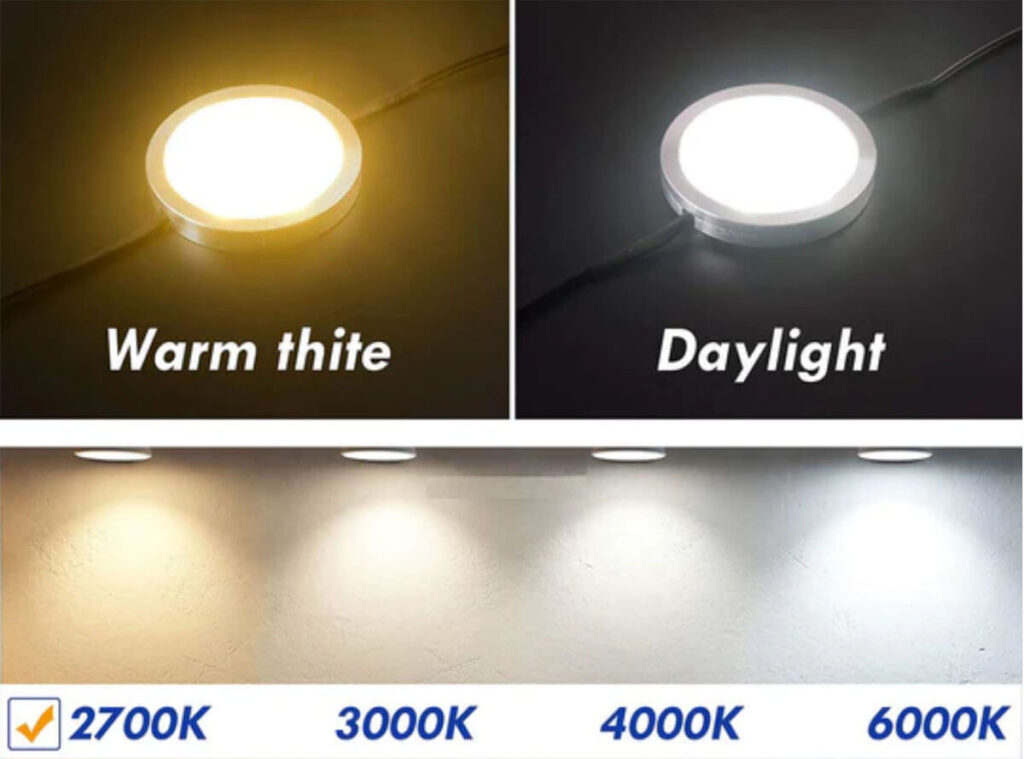
Well, 3000K offers warmer lights, emits a soft, yellowish hue reminiscent of sunset, ideal for relaxed settings like living rooms or bedrooms. On the other hand, more astonishing lights, 6000K, give off a bright, bluish-white tone, similar to daylight.
This guide will help you navigate the differences between 3000K vs 6000K color temperature, ensuring you choose the right light for your environment.
When selecting lighting for any space, understanding the difference between 3000K and 6000K color temperatures is essential for creating the desired ambiance and functionality. 3000K and 6000K fall on opposite ends of the color temperature spectrum, each producing a distinct type of light with unique characteristics.
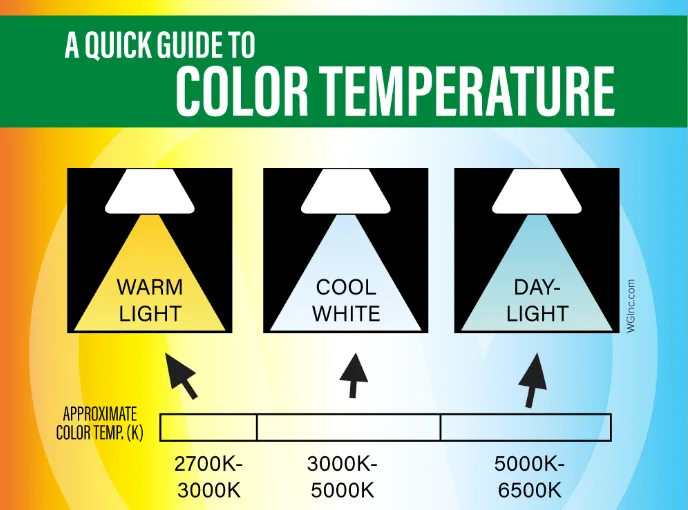
| Lighting Effect | Color Temperature |
| Warm Light | 2700K-3200K |
| Neutral White Light | 3200K-4000K |
| Cool Light | 4000K-6500K |
The primary difference between 3000K and 6000K is the warmth and coolness of the light they emit.
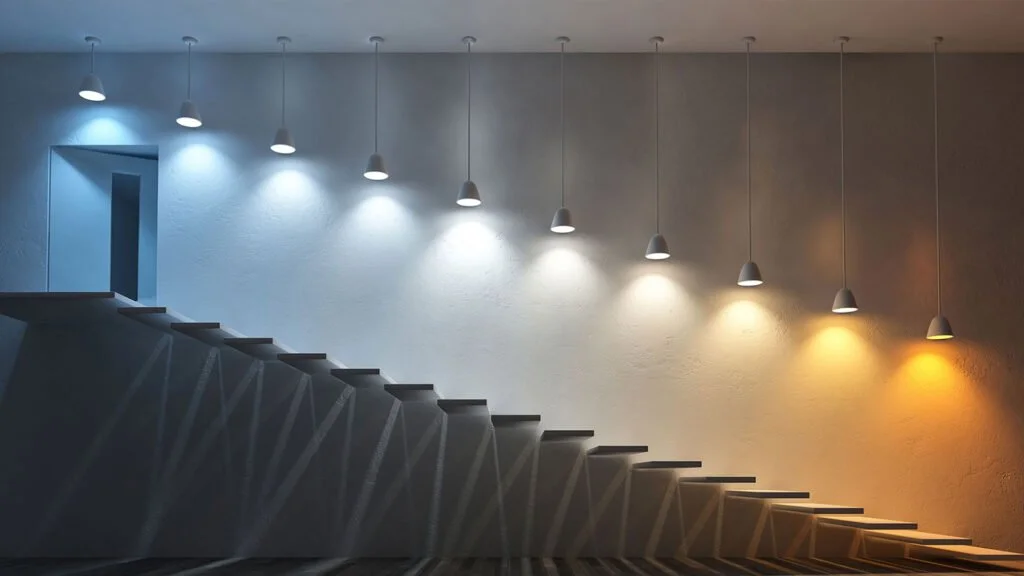
The color temperature you choose can significantly influence the overall mood of a space.
The functionality and intended use of the space play a significant role in deciding between 3000K and 6000K lighting.

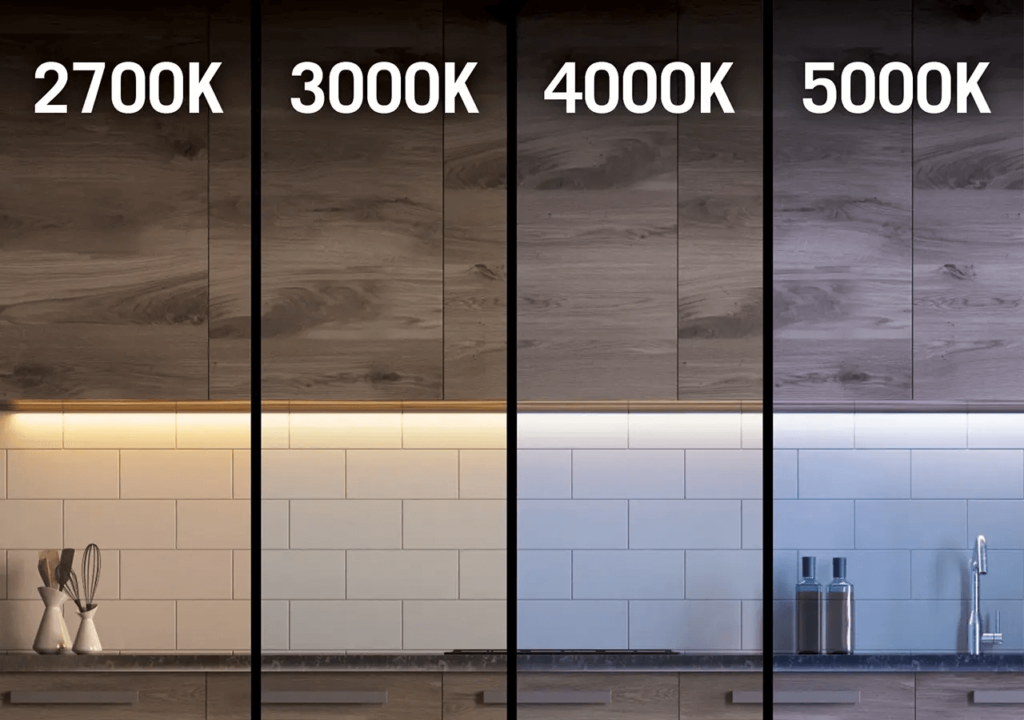
Another important distinction between 3000K and 6000K lighting is how they affect the perception of colors and visibility.
Color temperature can also affect energy levels and mood, both consciously and subconsciously.
3000K and 6000K LED lights are energy-efficient, but their energy consumption is generally similar. The critical difference lies in their efficiency, applications, and how they make spaces feel. Choosing the right color temperature for a suitable space helps optimize energy usage and comfort.
Brightness is measured in lumens, not color temperature. However, 6000K appears brighter to the human eye because it emits a cooler, daylight-like white light. In contrast, 3000K gives off a warm, yellowish glow that feels softer and less intense, even if the lumen output is the same.
3000K lighting, often called “warm white,” emits a soft, yellowish glow that creates a cozy and welcoming atmosphere. This warm hue is perfect for environments where comfort, relaxation, and ambiance are key. Let’s dive into the ideal settings for 3000K lighting:
One of the most common applications for 3000K lighting is in living rooms. This warm light helps create a comfortable and inviting space for relaxation, socializing, or winding down after a long day. The yellowish tone mimics the glow of natural light during sunset, fostering a tranquil environment perfect for evening gatherings, reading, or watching TV.

In the bedroom, 3000K lighting sets the mood for relaxation and sleep. This softer light promotes a sense of calm and helps ease the transition from an active day to restful sleep. It’s especially beneficial for bedside lamps or overhead fixtures, as it won’t disrupt your circadian rhythm, making it easier to unwind.

Dining rooms are another prime location for 3000K lighting. Warm lighting enhances the dining experience, creating a more intimate and pleasant ambiance. The yellowish hue is flattering to skin tones and makes food appear more appealing, which is why many restaurants also use similar lighting for their dining areas.
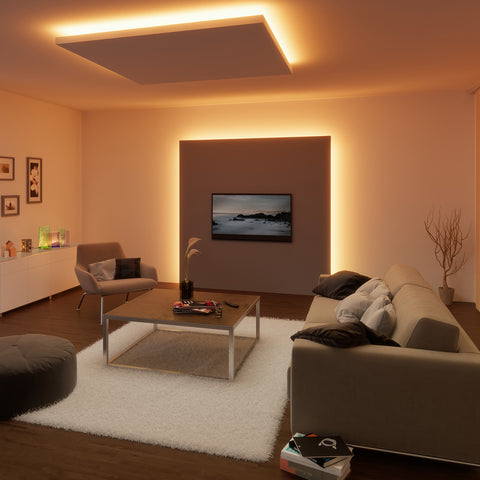
When used in outdoor settings, such as patios, gardens, or backyard decks, 3000K lighting creates a warm, inviting atmosphere. It’s ideal for evening gatherings, barbecues, or a calm night outdoors. This color temperature complements the natural surroundings and enhances the beauty of landscaping and outdoor furniture, providing a relaxing retreat without the harshness of bright, white light.

For commercial spaces like restaurants, hotels, and cafes, 3000K lighting helps create a cozy and welcoming environment that encourages customers to linger and enjoy their time. The warm lighting enhances the space’s overall aesthetic, making it feel more intimate and inviting, perfect for settings where ambiance is a priority.
While more excellent light is often preferred for task-oriented areas of the bathroom, such as above the mirror, 3000K lighting works well in ambient bathroom lighting. It creates a spa-like, relaxing feel, making it perfect for unwinding with a bath after a long day.

In retail environments, particularly those selling luxury items or clothing, 3000K lighting can enhance the shopping experience by creating a cozy, boutique feel. The warm light flatters products, especially soft textures and warm colors, giving items a rich, appealing look.
3000K lighting creates a welcoming and luxurious atmosphere for hotels and lounges. In guest rooms, the warm lighting helps guests feel comfortable and relaxed, making it easier to rest. Lobbies and lounges encourage socializing in a serene environment, offering a calm escape from the hustle and bustle of daily life.
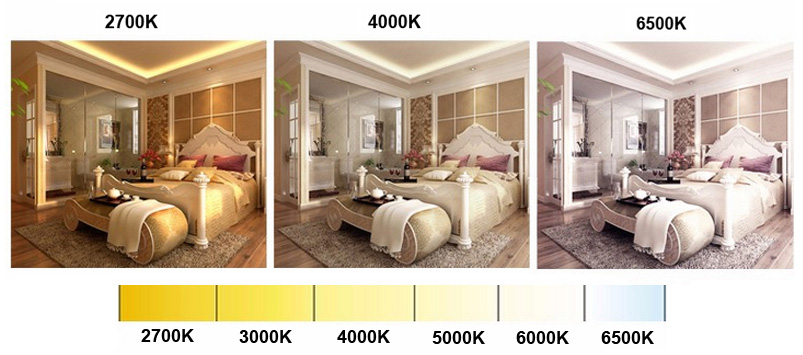
6000K lighting, commonly called “cool white” or “daylight,” emits a crisp, bluish-white, energizing light. This color temperature mimics natural daylight and is best suited for spaces where focus productivity, and visibility are crucial. Below are the ideal applications for 6000K lighting:

One of the most prominent uses for 6000K lighting is in offices and workspaces. The bright, cool light enhances concentration, reduces eye strain, and creates a productive atmosphere. Its clarity helps employees stay alert and focused during long work hours. Whether in corporate offices or home workstations, 6000K lighting is ideal for improving productivity.
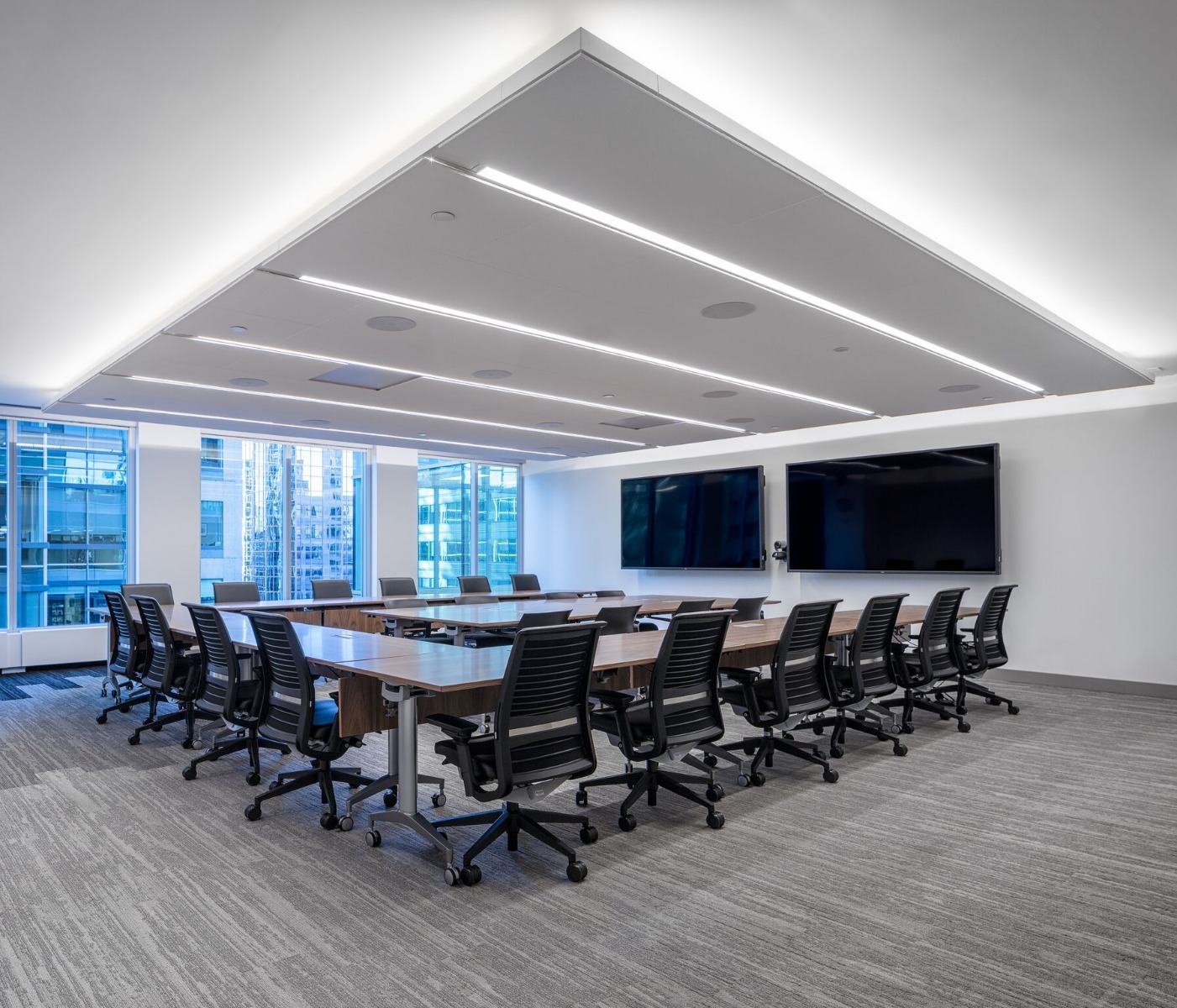
6000 K lighting provides excellent visibility in workshops, garages, and similar settings where tasks require precision and accuracy. The crisp white light makes even small details visible, essential for car repairs, woodworking, or other hands-on activities. The high level of brightness enhances safety by reducing shadows and improving focus.
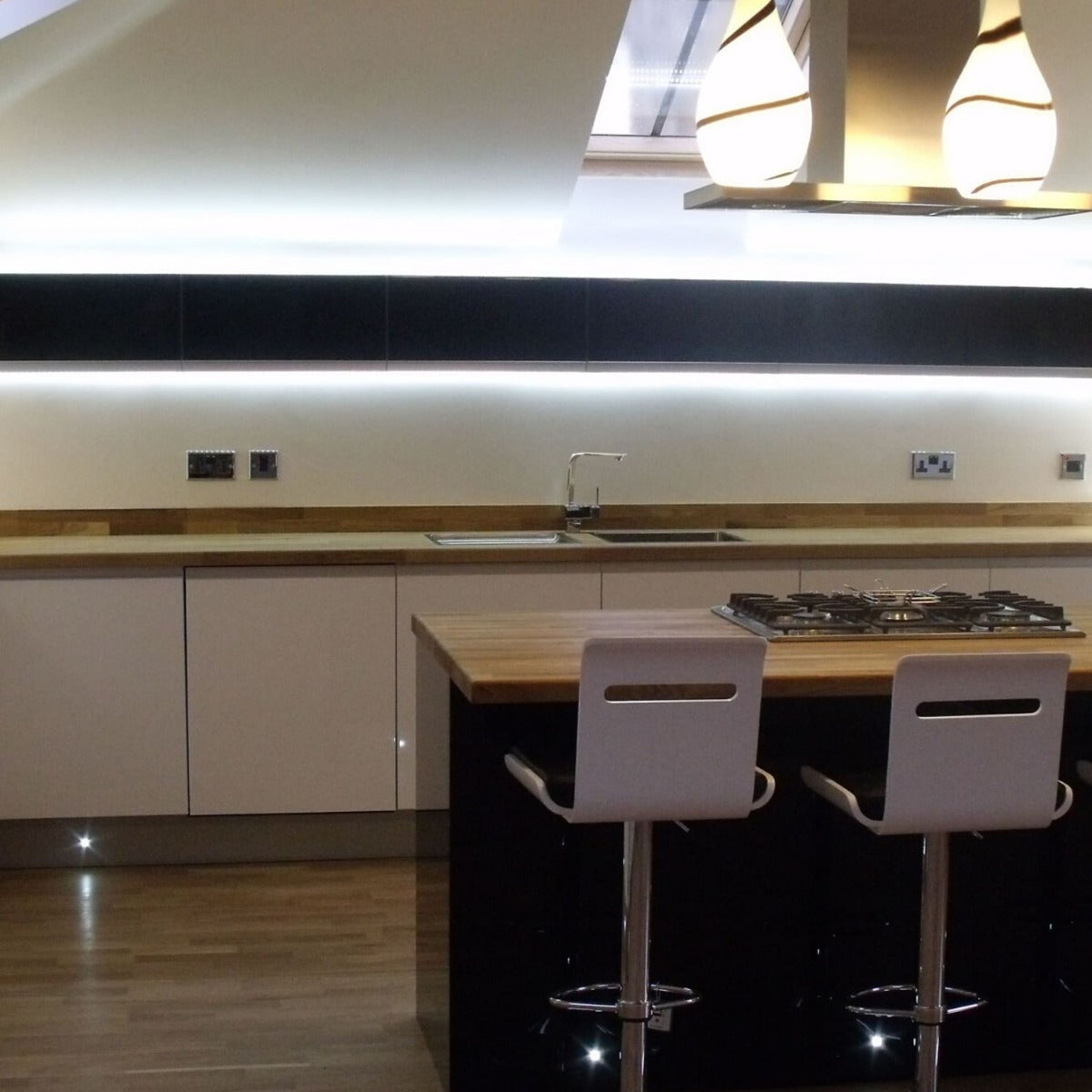
6000K lighting is often used in kitchens, mainly where cooking, chopping, and cleaning are performed. The bright, cool light ensures maximum visibility, allowing you to see fine details and colors. It’s also perfect for highlighting countertops, cabinets, and appliances, giving the kitchen a modern look.
In many retail environments, especially those focused on showcasing products in the best possible light, 6000K lighting is preferred. This incredible light enhances the vibrancy of colors and ensures that details are visible. For instance, in electronics stores, hardware shops, and supermarkets, 6000K lighting ensures that products are displayed clearly and attractively.
In hospitals, clinics, and other medical environments, clarity and visibility are crucial for accuracy and safety. 6000K lighting is widely used because it mimics natural daylight, providing excellent visibility for medical professionals. It’s used in operating rooms, examination rooms, and diagnostic areas to help ensure that procedures and tasks are performed precisely.
In showrooms, especially those showcasing vehicles, home appliances, or modern decor, 6000K lighting is ideal. It creates a clean, sleek look that enhances the appeal of the displayed items. The cool white light highlights the fine details and design elements of products, helping potential buyers see every feature.
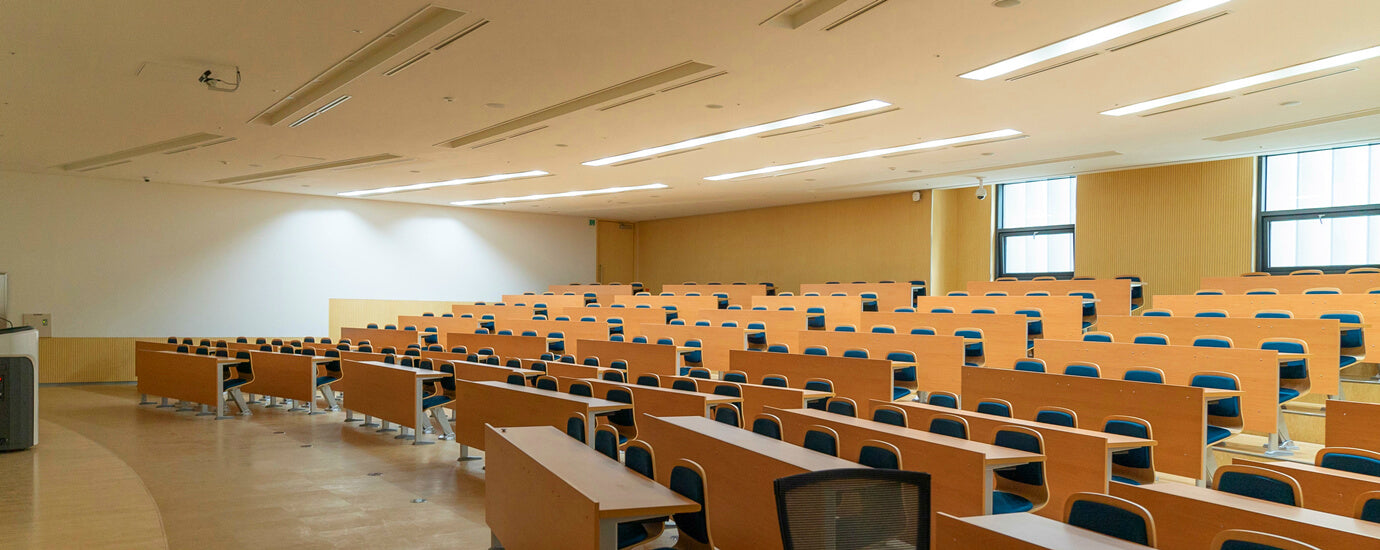
For study areas, libraries, and classrooms, 6000K lighting is highly effective at promoting focus and concentration. The bright, cool light mimics natural daylight, which helps reduce eye fatigue during long study sessions. This type of lighting is ideal for environments where students must stay alert and engaged for extended periods.
6000K lighting is often used for outdoor security lights, as its brightness and clarity help illuminate large areas and deter intruders. The cool white light is noticeable and can cover a vast space, making it ideal for driveways, parking lots, and building exteriors.
In photography and video production, 6000K lighting is frequently used because it resembles natural daylight. This lighting ensures that colors are rendered accurately and images appear sharp and well-defined. It’s essential for photographers and videographers who need consistent, high-quality lighting for shoots.
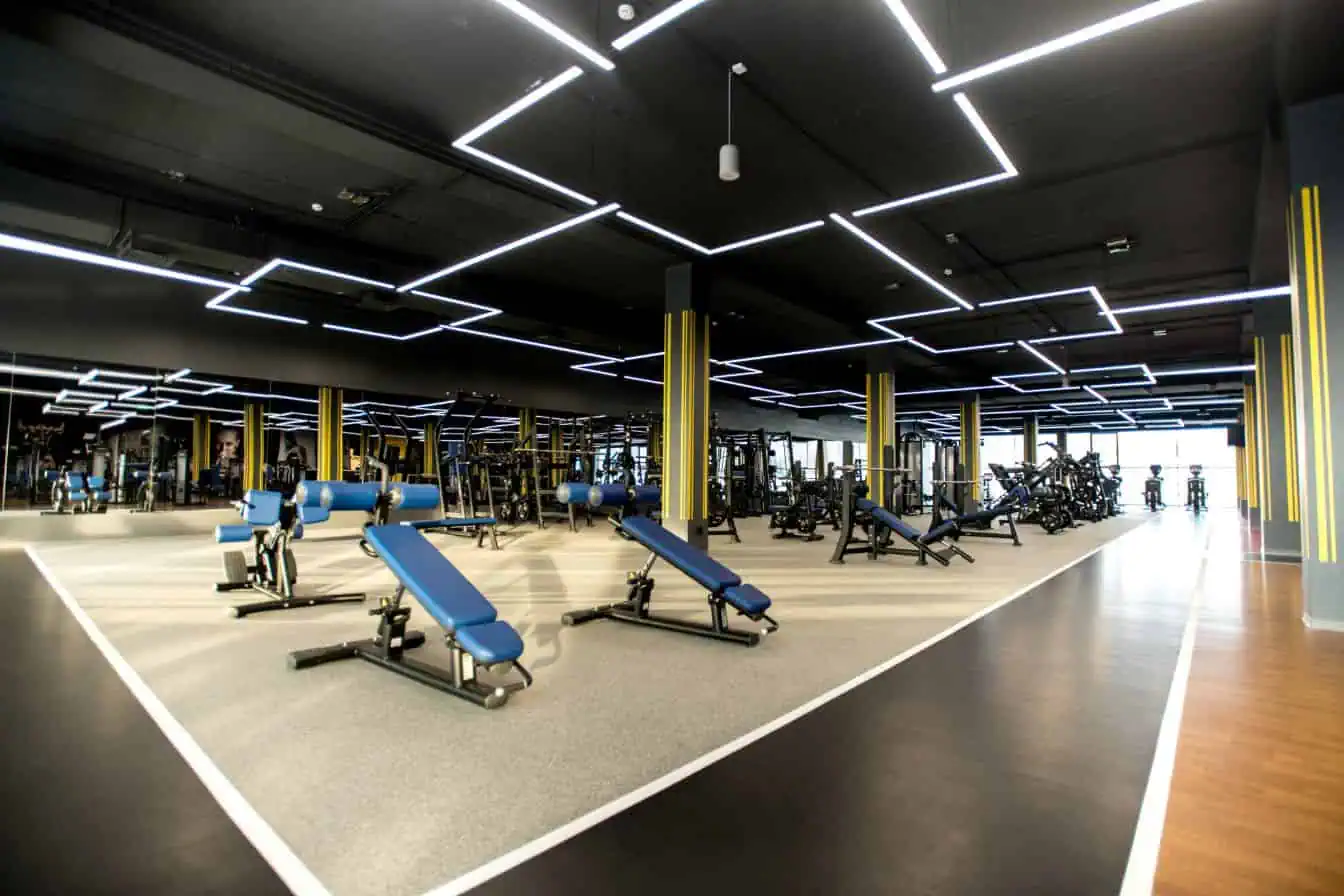
Gyms and fitness centers often use 6000K lighting because the bright, cool light promotes energy and alertness. The crisp lighting helps members feel energized and focused during workouts, creating a more motivating environment for physical activity.
Choosing the right color temperature, 3000K or 6000K, depends on several important factors. From the purpose of the space to the mood you want to create, selecting the appropriate lighting can dramatically affect the functionality and ambiance of your environment. Here are the key factors to consider when deciding between 3000K and 6000K lighting:
The primary function of the room or space is one of the most critical factors when choosing between 3000K and 6000K lighting. Different tasks require different types of lighting to enhance visibility, comfort, and productivity.
Another significant factor is the mood you want to create in a space. Lighting can evoke different emotional responses, making the color temperature you choose crucial for setting the right tone.
Consider how much natural light the space receives and the time of day you will be using the space.
Lighting’s effect on color perception is also crucial, especially in environments where accurate color representation is necessary, such as retail stores, showrooms, and creative studios.
Lighting is crucial to our productivity and focus, making color temperature an essential consideration for work or study environments.
The aesthetic of your space, including the color scheme, materials, and overall design, should also guide your decision.
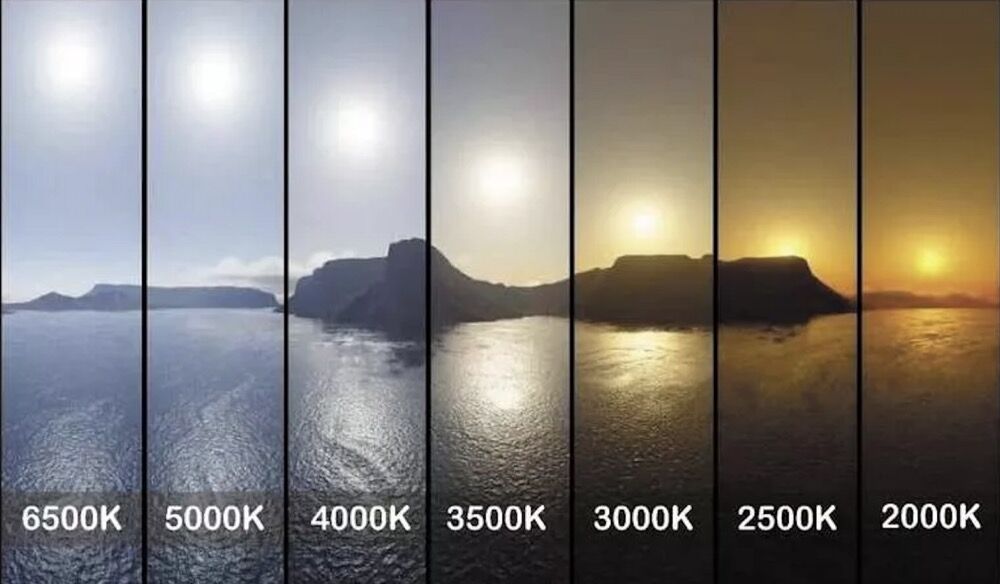
Both 3000K and 6000K LED lighting options are generally energy-efficient, but the brightness and frequency of use can impact energy consumption and costs.
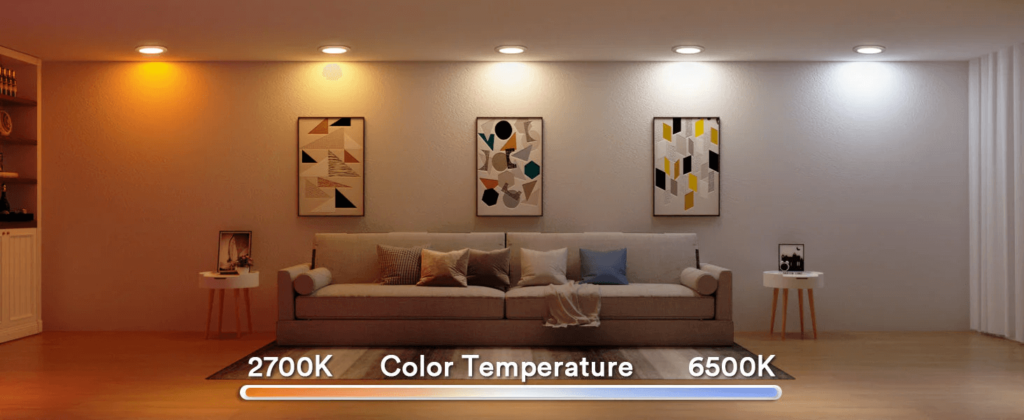
Lighting significantly impacts human health, especially regarding sleep patterns and mental well-being.
The environment where the lighting will be installed also affects the decision. Different color temperatures are better suited for indoor or outdoor applications.
Ultimately, personal preference plays a significant role in choosing between 3000K and 6000K lighting. While each color temperature has its ideal use cases, the final decision should align with your specific needs, tastes, and feelings about the lighting in your environment.
Now that you understand the differences between 3000K and 6000K lighting and how each can transform your space, it’s time to choose the right LED lighting solutions for your home or business. Whether looking for warm, cozy lighting for your living room or bright, energizing light for your office, selecting high-quality LEDs is essential to achieving the perfect ambiance.
For reliable, energy-efficient, and top-quality LED lighting, check out MyLikeLed. With various lighting options tailored to different needs, MyLikeLed provides everything from warm 3000K lights for relaxing spaces to crisp 6000K for task-oriented environments. Their durable and eco-friendly products ensure the best performance and long-term savings.
Ultimately, the right color temperature is the one that meets your specific needs, whether you’re designing a home sanctuary or an efficient workspace. By understanding the differences and critical applications for 3000K and 6000K lighting, you can make an informed choice that enhances your space’s atmosphere, functionality, and visual appeal.
How bright is 6000K?
6000K light is very cool and crisp—similar to daylight at noon. It often feels quite intense and sharp, making it ideal for areas where you need high visibility, like garages, workshops, or task lighting setups. Even at the same lumen level, 6000K can seem brighter because of its cool tone.
How bright is 3000K?
3000K light offers a warm and gentle brightness. It’s often described as cozy and comfortable, with a yellowish-white tone. It may not feel as bright as cooler lights like 6000K, but it creates a pleasant ambiance perfect for living rooms, bedrooms, or restaurants.
What is 6000K in lumens?
This is a common mix-up. 6000K refers to color temperature, not brightness. Lumens are what actually tell you how bright the light is. So, a 6000K LED can have 800 lumens or 3000 lumens—it depends on the specific product. Think of 6000K as the “color” and lumens as the “amount of light.”
What is 3000K in lighting?
In lighting, 3000K is considered warm white. It produces a soft glow with a yellow tint, which makes spaces feel inviting and relaxed. It’s a popular choice for homes, hotels, and restaurants where you want a cozy and welcoming vibe.
What does 6000K mean in lighting?
6000K means the light has a cool white or even slightly bluish tone. It’s close to natural daylight and is often used in environments that need clarity and focus, like offices, workshops, or retail stores. It’s not necessarily brighter in lumens, but it feels more intense to our eyes.
What is 3000K color temperature?
3000K is a color temperature on the warmer end of the spectrum. It gives off a yellow-white light that’s easy on the eyes. It’s ideal for relaxed, comfortable settings like bedrooms, dining rooms, and living areas where you don’t want harsh lighting.
Is 3000K warm or cool?
3000K is considered warm lighting. It has a yellowish tone that feels soft and comfortable. It’s great for creating a calming atmosphere, especially in places where you unwind after a long day.
What color is 3000K?
3000K appears as warm white, with a gentle yellow glow. It’s not as golden as 2700K, but still much warmer than neutral or cool lighting. It’s the kind of light that adds a relaxing touch to any room.
Is 6000K bright?
Yes, 6000K looks very bright, even when its actual lumens are the same as other lights. That’s because cooler light is perceived as more intense by our eyes. It’s a great choice if you need sharp, focused illumination—especially in task-oriented spaces.

Hi, I’m Xylia Xiong, a sales professional with 14 years of experience in the LED strip light industry. I specialize in providing tailored solutions, leveraging my expertise in LED products and the latest industry trends. Known for effective communication and problem-solving, I’m dedicated to helping lighting manufacturers, importers, and distributors achieve their goals.
Let’s work together to create customized solutions that exceed expectations.